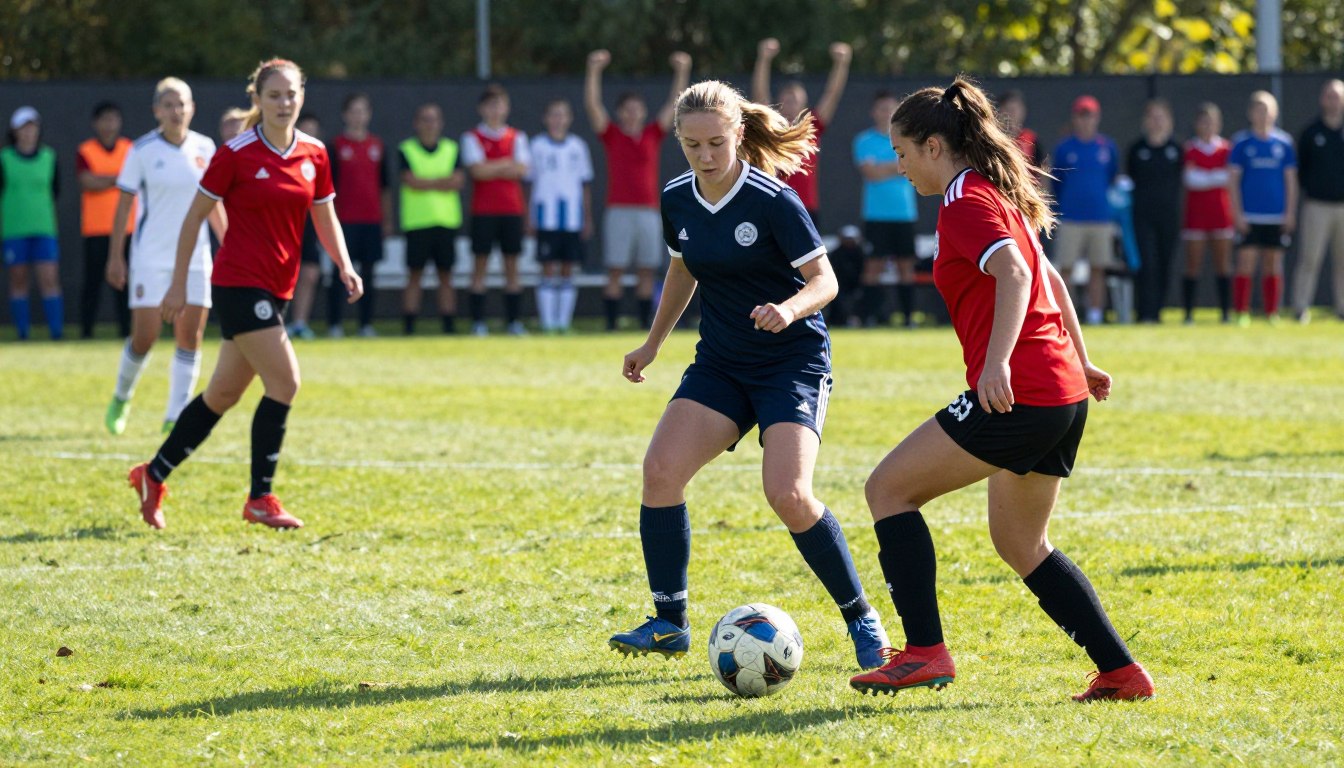
Curious which ball helps a child learn faster and enjoy the game more? Choosing the right item at the right age shapes comfort, control, and confidence on the pitch.
If a page blocked extension stops you, try disabling extensions so you can access the full guide and equipment lists. This quick fix helps you view matchup charts and circumference details without delay.
Every young player needs proper equipment. Pick training balls or match footballs that match age groups and years of play. The right choice boosts skill and makes practice more fun.
We cover how to match ball circumference to age, how sizes affect control, and how to pick quality gear in India. Read on to help your child play with confidence and enjoy every match and practice.
Key Takeaways
- Choose a ball that matches your child’s age group and skill level.
- Training and match balls have different feel and durability.
- Check circumference to improve control and confidence.
- If a page blocked message appears, try disabling extensions.
- Proper gear helps kids enjoy practice and grow their skills.
Why Choosing the Right Football Size Matters
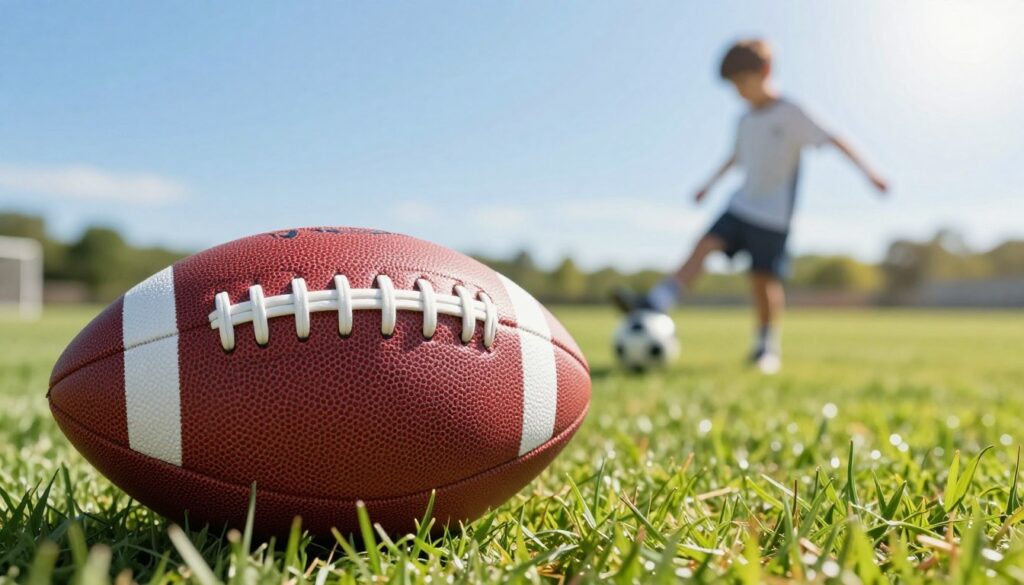
A mismatched ball can slow skill growth and raise injury risk in kids. Using an oversized ball often becomes a trip hazard during practice. Young bones and muscles are still developing, so impact and awkward landings matter.
Proper footballs help players progress safely. The FA recommends matching ball sizes to age and physical development for training and matches. A correct ball boosts control, confidence, and ball touch.
If a page blocked extension or a page blocked notice prevents you from viewing charts, try disabling the extension so you can read full guidelines. That quick step lets you compare footballs and pick the right size football for your child.
- Right size reduces trip hazards and strain.
- Proper gear speeds skill development and accurate passing.
- Age-based sizes align with FA guidance for matches and training.
Which Football Size Is Best for Beginners?
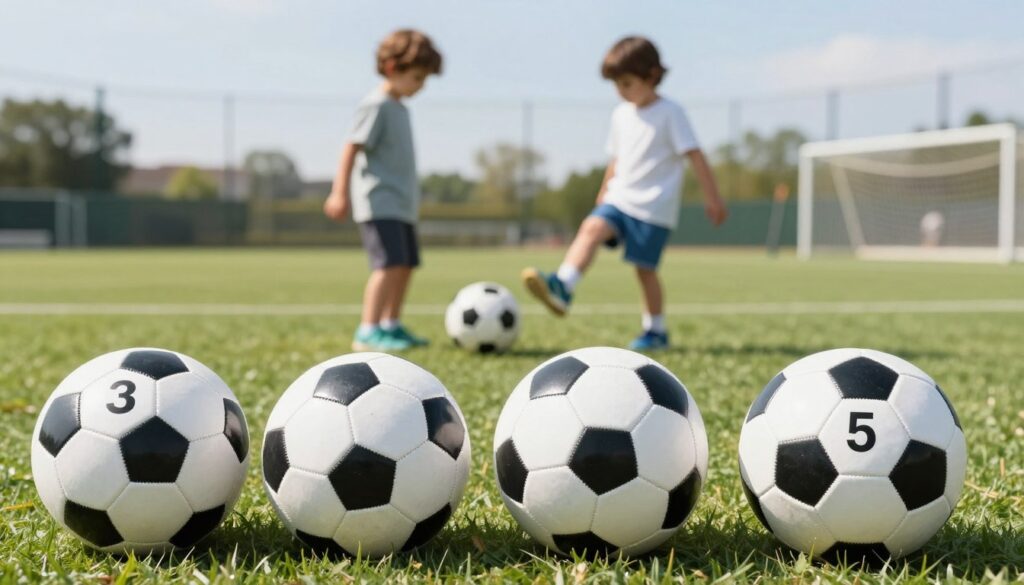
Picking the right ball early helps kids build touch and confidence quickly. Use the chart below to choose the correct match between age and ball circumference.
Size Categories for Young Players
Match the ball to the player’s years and skill level. Small balls help toddlers learn basic drills. Larger balls suit older teens and adults during training and matches.
| Size | Circumference (cm) | Typical Age Groups | Use |
|---|---|---|---|
| 1 | 45–51 | Toddlers, mini skills | Basic touch work |
| 2 | 52–56 | Under 5 | Early play |
| 3 | 58–60 | U7–U10 | Skill development |
| 4 | 63–66 | U11–U14 | Youth matches |
| 5 | 69–71 | U15–Adults | Matches & training |
Adjusting for Age and Development
The FA recommends a size 3 ball for U7 to U10 to help control and touch. Move up to size 4 when a child grows into U11 to U14. Adults use size 5 for high-level play and matches.
Differences in Girls Football
Girls often follow slightly different progression timelines. Check fit and comfort rather than age alone. That helps you find the right size football for every child and improves skill gains on the pitch.
Understanding Different Types of Footballs
Understanding the range of balls helps you pick gear that fits training goals and match demands. This makes practice more effective and keeps costs sensible over the years.
Training Versus Match Balls
Training balls are built tough. They take frequent kicks and rough surfaces without falling apart.
They cost less and last longer. That makes them ideal for regular practice with kids and adults.
Match balls focus on feel. They use finer stitching and softer covers to improve control during competitive games.
Specialized Indoor and Skills Balls
Indoor options have low bounce to suit courts and small halls. Foam or low-rebound balls help a child practice safely at home.
Mini skills balls train touch and precision before moving up to larger sizes. Flyaway plastic balls are lightweight fun for parks or beaches.
- Tip: Match the ball to the surface and session type to protect players and improve skill work.
- Tip: Keep a dedicated indoor ball to avoid damage to match and training equipment.
Essential Tips for Proper Ball Inflation
Keep air pressure steady to get reliable bounce and true ball flight during practice. Proper inflation helps players feel the touch and react the same way every session.
Maintaining Recommended Pressure Levels
The FA recommends 8.5–15.6 psi for optimal performance. This range works across common footballs and most training conditions in India.
| Topic | Recommended Action | Why it matters | Quick Tip |
|---|---|---|---|
| Pressure | Keep between 8.5–15.6 psi | Predictable bounce and flight | Check psi printed near valve |
| Pump | Use a reliable hand or electric pump | Accurate inflation protects panels | Use a gauge for precision |
| Needle care | Moisten needle before insertion | Prevents valve damage | Use water or saliva |
| Session checks | Test ball before training | Helps kids keep control and touch | Top-up pressure as needed |
How much air affects skill: An under-inflated ball feels sluggish and hampers control. An over-inflated ball bounces unpredictably and can be hard on young feet.
- Routine: Check pressure before every match and weekly during heavy training.
- Age note: Adjust pressure gently if a child prefers slightly softer feel for drills.
- Care: Store balls away from heat and sharp objects to preserve circumference and cover.
Where to Find Quality Equipment for New Players
Start your search with trusted retailers that list clear specs and return policies. This helps you confirm the right football size and build before you buy.
Check several channels: local sports stores, verified online marketplaces, and coach-run shops often carry quality footballs. Independent vendors run by parent coaches can offer great advice on training gear and match-ready balls.
When a page blocked extension or a page blocked message appears, try disabling extensions so you can access full product details, size charts, and seller reviews. That step often reveals better deals and clearer information.
- Compare prices across sites to secure a fair deal on the right size football.
- Look for sellers that list materials, recommended ages, and warranty details.
- Consider buying a bundle if a team needs multiple balls at once.
Choose reputable retailers and simple specs. Good equipment helps players build skills and enjoy play across years of training and matches.
Conclusion
A correctly chosen ball makes practice more fun and builds steady confidence. Pick a football that matches age and growth. This guide helps you select the right size football and useful equipment for steady development.
Keep air pressure checked before each training session. Proper inflation protects panels and keeps touch consistent. Use trusted sellers and clear product pages when shopping to confirm specs.
Focus on fit, feel, and durability. Good footballs and the right ball size help kids learn faster and stay safe. We hope this guide helps you find the perfect match to support your child’s journey on the pitch.