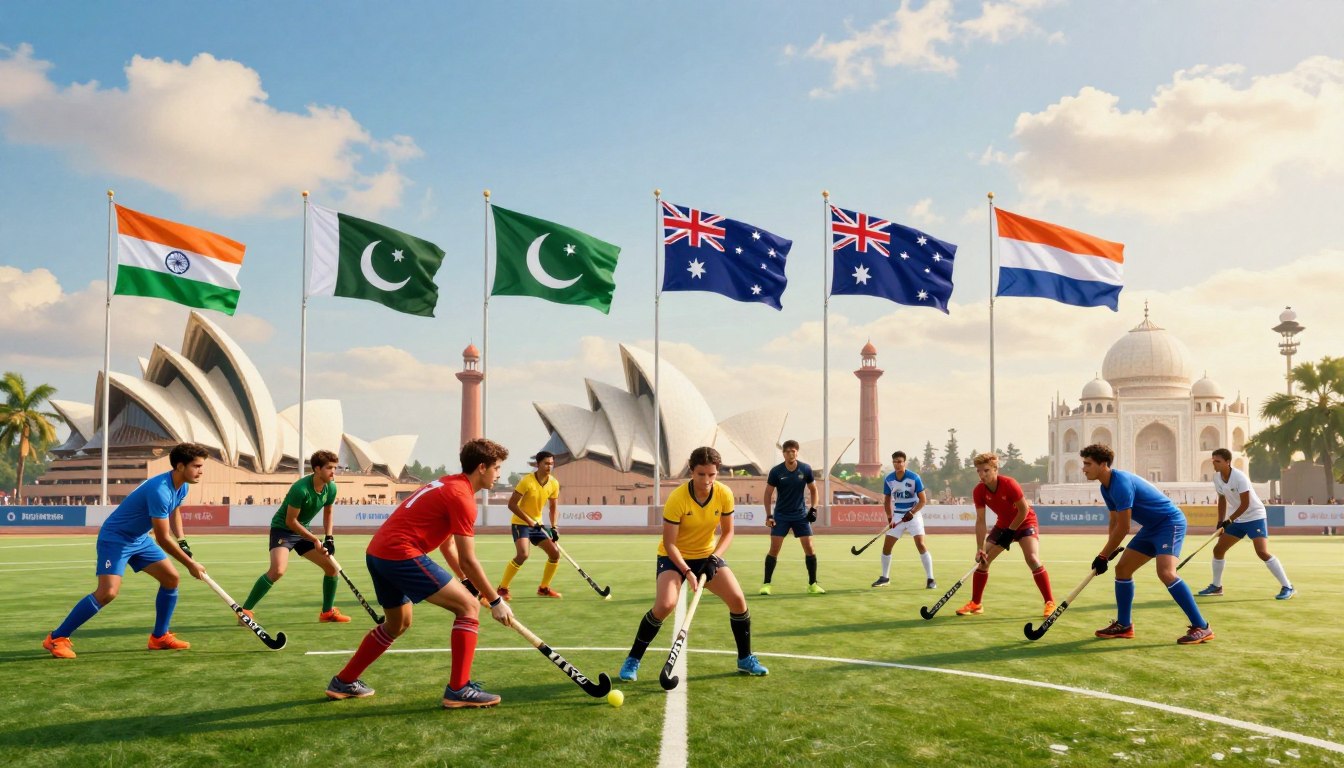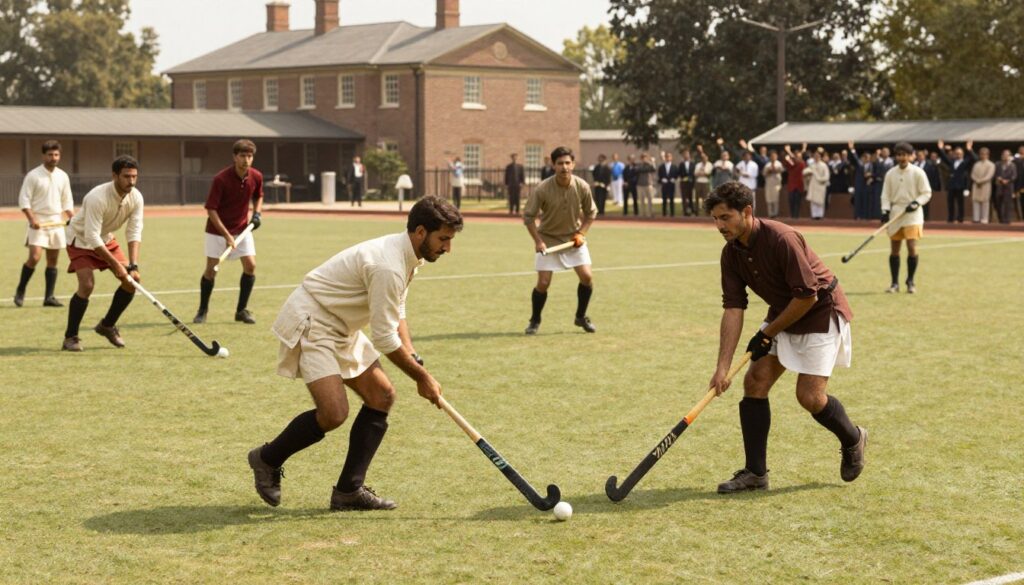
Have you ever wondered how a colonial pastime became the heartbeat of a nation? This piece traces the arrival of indian hockey during the 18th and 19th centuries, when British influence brought modern field hockey to wide open fields across the subcontinent.
The game took root fast. Simple gear and large fields made it easy to adopt. Local clubs grew, and the first hockey club names began to matter.
Legends like dhyan chand changed the sport’s story. His skill helped the men hockey team claim a gold medal and lift the nation’s spirit. Over the years, teams and tournaments shaped a proud history.
You’ll read how the indian hockey team and hockey india guided both men and women to wins at the world cup, asian games, commonwealth games, and olympic games. This introduction sets the stage for a deeper look at matches, medals, and the people who made the game a national treasure.
Key Takeaways
- Modern field hockey arrived with the British and spread across large open fields.
- Dhyan Chand helped the men hockey squad win a gold medal and global fame.
- Early clubs and tournaments built the structure for indian hockey growth.
- Both men and women teams brought medals at world cup, asian games, and olympics.
- Hockey India and national teams kept the sport competitive through years of matches and titles.
Ancient Roots and Global Evolution
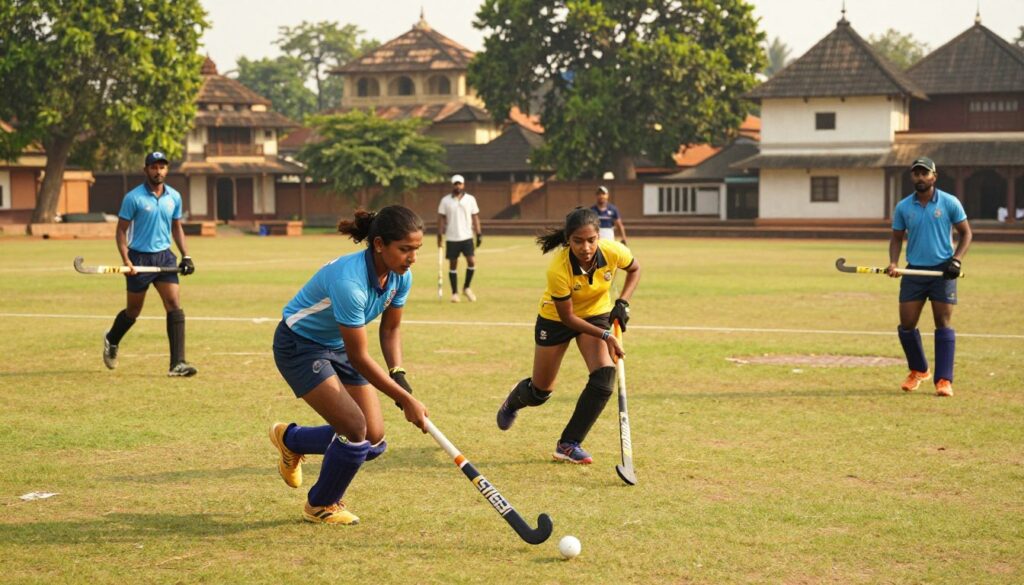
Carved scenes from 2000 BC hint at very early forms of stick sports. Archaeological art shows people using curved sticks and a ball-like object. These fragments link ancient past to modern play.
Early Evidence of Stick Games
Egyptian reliefs and other carvings suggest a game with curved sticks and a small ball. Scholars see a clear line from those past pastimes to organized field hockey.
Global Spread
During the 18th and 19th centuries, the British Empire helped formalize rules. That process turned casual play into a codified hockey discipline.
- Ancient carvings show early curved sticks and ball play.
- British rule spread standardized rules across colonies.
- The game evolved into modern field hockey used at the Olympics.
As the sport grew, local clubs formed and the indian hockey tradition emerged. Your national team later chased medals, world cup titles, and the prized gold medal.
When Was Hockey First Played in India And where?
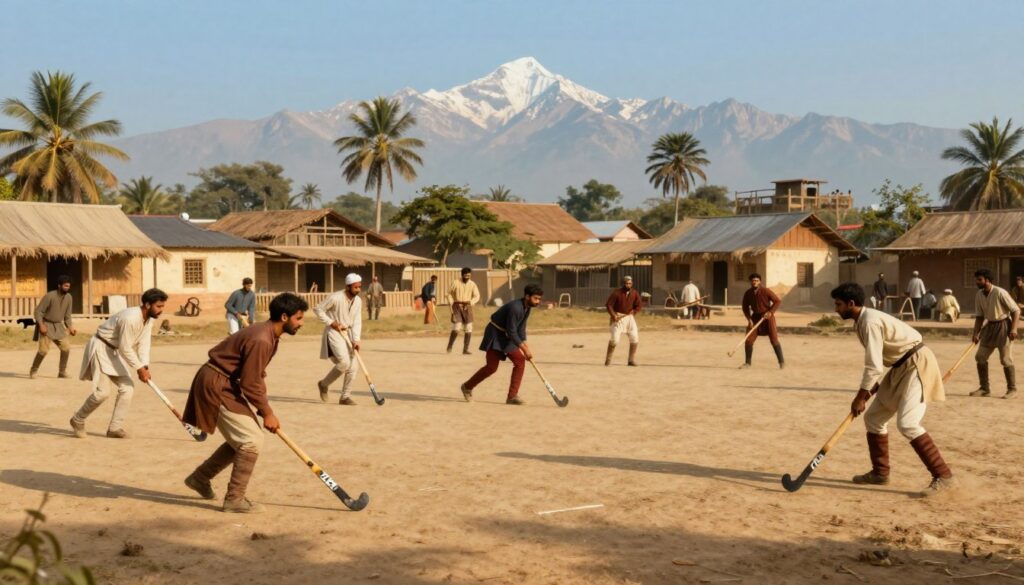
Historic records point to Calcutta as the cradle of organized play. The first hockey club was set up there in 1855 on wide open fields. British Army teams used those grounds to train and to share a new field game.
The sport took hold among locals and clubs soon formed. By 1925 the hockey federation was created to govern rules and selection. That structure helped the indian hockey movement grow fast.
You’ll see how clubs and tournaments like the Beighton Cup fed talent into the national setup. The indian hockey team rose to win a gold medal and later a bronze medal on big stages. Men and women teams trained for asian games and commonwealth games.
Over the years, matches at the hockey world cup and Olympic events made this sport a national passion. The federation kept teams resourced, helping players chase world titles and international hockey honors.
- 1855: club founded in Calcutta.
- 1925: national federation formed.
- Clubs led to international success for teams across years.
The Establishment of the First Hockey Clubs
Calcutta’s fields became a meeting place where formal rules and local passion met. The formation of the first club in 1855 marked a shift from casual play to organized field contests.
The Calcutta Influence
The Beighton Cup in Calcutta and the Aga Khan tournament in Bombay gave the sport steady exposure. These events let talented players show skills and earn selection to bigger teams.
The 1925 creation of the hockey federation standardized rules. That step helped the indian hockey movement compete overseas and aim for the gold medal at major meets.
Early clubs built a pipeline to the national side. Men and women squads prepared for the asian games and commonwealth games thanks to club leagues and cup play.
- 1855: first organized club in Calcutta began regular matches on open field ground.
- Local cups fed the best into the national setup and later into hockey india.
- These foundations led to world cup runs and many hard-earned medals.
Formation of the Indian Hockey Federation
In 1925 the sport gained a formal spine through a newly formed national body. The indian hockey federation brought rule standardization and national selection to the game. This step gave clubs a clear pathway to higher competition.
The hockey federation helped prepare the national team for major meets. Teams trained for the asian games, the Olympic stage, and the world cup. That structure made medal runs possible, including a gold medal and later a bronze medal.
After decades under that setup, governance changed. On 20 May 2009, hockey india replaced the old body. The new group focused on modern coaching, player welfare, and equal support for men and women squads.
Impact:
- Official recognition and organized talent pipelines.
- Better training and selection for international play.
- Administrative reforms that matched modern field hockey needs.
Early International Success and the Dhyan Chand Era
A 1926 expedition overseas turned heads and announced a new era for the national side. That Indian Army tour of New Zealand proved decisive. The indian hockey team won 18 of 21 matches, a run that stunned the hockey world.
The tour gave players real international hockey exposure. The indian hockey federation backed the squad, sending strong teams and sound preparation. Those wins boosted confidence before major tournaments.
The New Zealand Tour
The 1926 trip showed how the men team could dominate abroad. Match after match, they played fast, clever field hockey and went win after win.
The Magic of Major Dhyan Chand
Dhyan Chand shone on the biggest stage. In the 1928 Olympic Games he scored 14 goals and helped secure a gold medal for the indian hockey team.
- The men hockey team set a high bar for future players.
- The hockey federation helped with training and selection.
- Legends like Balbir Singh later built on this era to earn titles and medals.
Dominance at the Olympic Games
From Amsterdam to Calcutta, Olympic rings began to carry a familiar story of Indian dominance.
The indian hockey team won gold medal after gold medal from 1928 through 1956. That streak made the team a global benchmark for the sport.
The men team kept focus on speed, skill, and teamwork. Coaches and clubs built systems that helped players shine at the olympic games.
Their success inspired young players across cities and rural areas. Schools and local leagues adopted field hockey as a key outlet for talent.
“Those Olympic golds didn’t just win matches; they made a nation believe in a hockey legacy.”
- Quick facts: India took every gold from 1928 to 1956.
- The sport stayed strong at the asian games and moved into the commonwealth games era.
- After a long wait, the men hockey squad earned a bronze medal at Tokyo 2020, ending a medal drought at the olympic games.
That history shows how a single streak can shape a team’s identity. The gold medal era still guides training, strategy, and pride in indian hockey.
Transition to Artificial Turf and Changing Dynamics
The arrival of synthetic turf in the mid-1970s rewired how teams trained and how matches flowed.
At the 1976 Olympic Games the new surface made play faster and more direct. India finished seventh that year. The change hit traditional styles hard.
Impact on performance
Players had to sharpen fitness, timing, and passing. The men hockey and women team both faced steeper learning curves on artificial grass.
- The switch forced the indian hockey team to update training and tactics.
- Field hockey became more technical, demanding better facilities and coaching.
- Hockey India later invested in modern grounds so squads could chase a gold medal again.
- Adaptation led to renewed success at the asian games and the hockey world stage, including a hard-won bronze medal.
Despite the setback, the team’s resilience kept the sport alive. You can see how steady upgrades and coaching helped turn a challenge into new chances for medals.
The Role of Hockey India in Modern Development
Since 2009 a single body has steered modern growth for the national side. Hockey India was set up to manage and promote the sport across all levels. You’ll see how one organization shapes training, selection, and support for the national team.
Hockey India runs programs for sub-junior, junior, and senior players. It covers both men and women squads. The group also invests in better field facilities and coaching systems.
The governing body directs preparation for major meets like the asian games. Its modern plans helped the squad win a recent bronze medal and chase top finishes in other events.
Key roles:
- Organize national camps and talent pathways for the team.
- Provide coaching, fitness, and technical support for hockey growth.
- Focus on long-term development to regain top medals, including gold.
Overall, Hockey India gives structure and resources so the team can compete globally. Its work is a major reason the sport remains competitive and hopeful for future success.
Celebrating Legends and Lifetime Achievements
Awards and tributes turn memories into lessons for today’s squads.
The Hockey India Awards began in 2014 to honor those who shaped the sport. These prizes include lifetime achievement distinctions that salute long service to the team.
Legends like dhyan chand and balbir singh are regular touchstones at these events. Their stories are shared so young players learn craft and character.
The awards celebrate both men and women. They highlight skill, leadership, and service that moved the game forward.
- Honour past greats: Keeps history visible and valued.
- Inspire the present: Current players see what dedication looks like.
- Preserve legacy: Stories of dhyan chand guide training and pride.
“Recognition helps the sport remember who built its culture and why we push for excellence.”
By marking achievements, Hockey India ensures the team stays rooted in its past while aiming for future success.
Conclusion
The story of this national side blends talent, reform, and resilience.
The journey from early clubs and the indian hockey federation to modern structure shows steady growth. You saw how tours to New Zealand, Olympic Games runs, and world cup campaigns shaped the indian hockey team.
Legends and smart coaching helped both men team and women team win medals. The switch to artificial turf tested the sport, yet teams kept aiming for a gold medal and hard-earned bronze medals.
Today, the hockey federation and clubs push talent into international hockey. The history matters, and the future looks set for more titles, wins, and pride for fans like you.