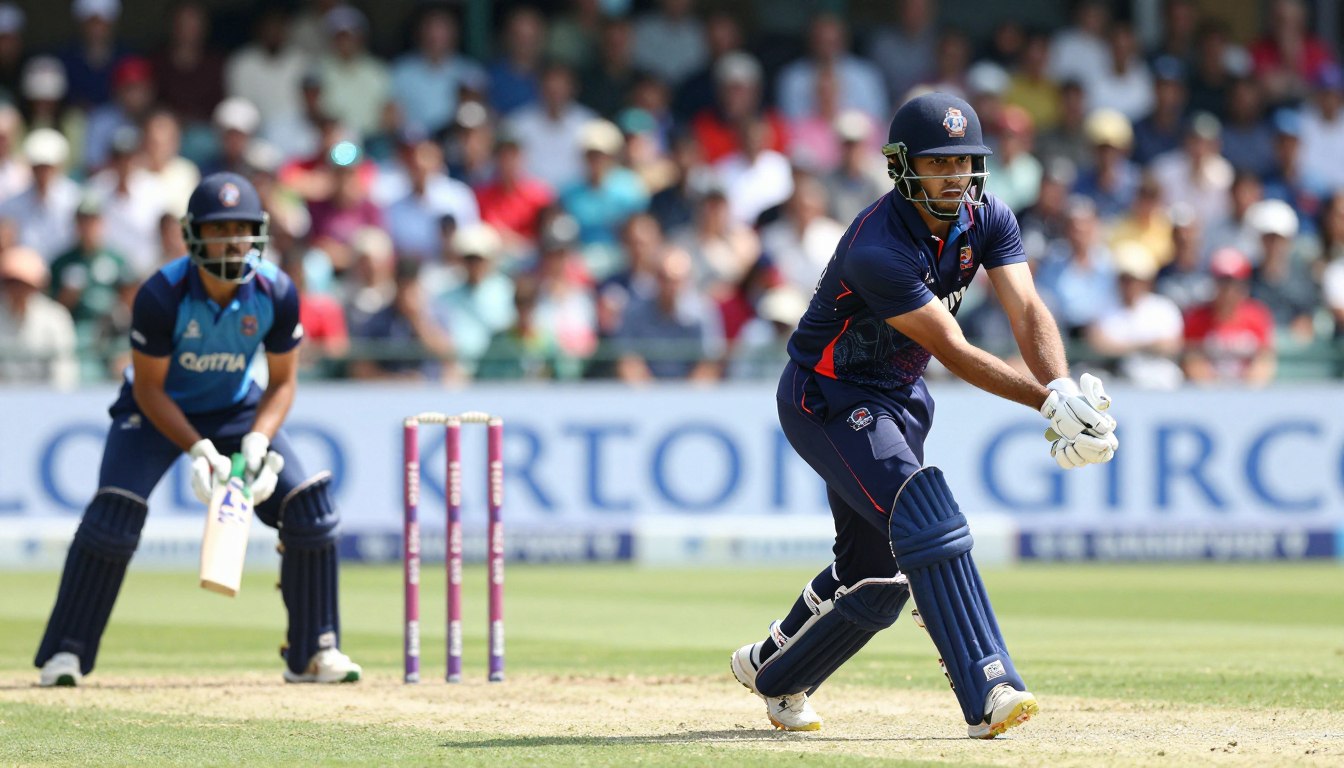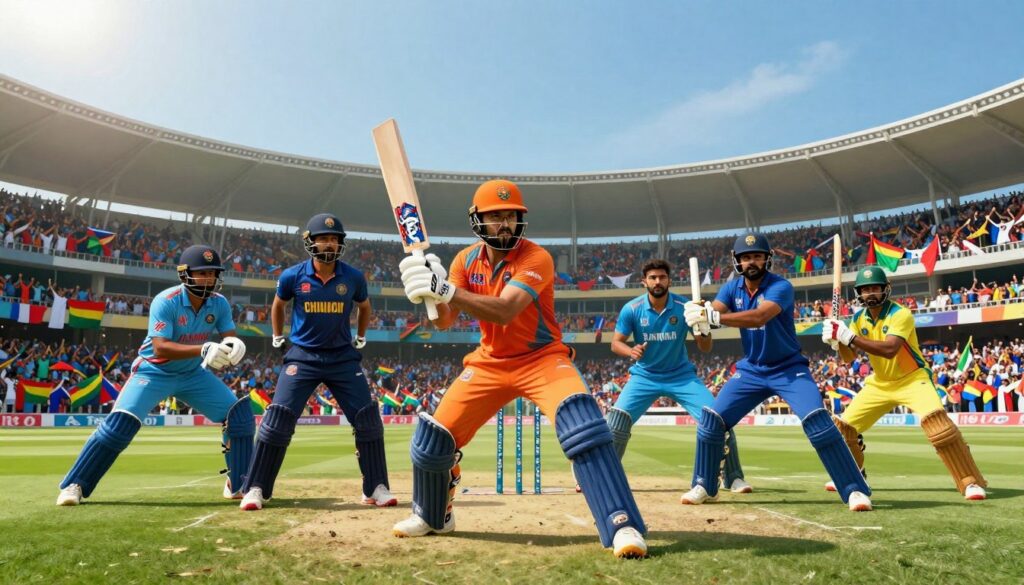
Curious which nations still shape the modern men t20 world stage? You might be surprised by how the field has grown since the first tournament in 2007. The 2026 edition, co-hosted by India and Sri Lanka, featured twenty teams competing across 55 matches.
The event used five venues in India and three in Sri Lanka. Stars like Rohit Sharma and rising players such as Arshdeep Singh helped define that edition. Even newer sides, including the United States and the Arab Emirates, have become part of the international cricket scene.
This short guide will explain the tournament format, the group stage setup, and the role of the International Cricket Council. You’ll get a clear snapshot of teams, venues, and the total scale of the event.
Key Takeaways
- The 2026 men t20 world edition had twenty teams and 55 matches.
- India and Sri Lanka co-hosted matches across eight venues.
- Newer entrants like the United States and Arab Emirates expanded the field.
- The ICC manages format and qualification for each tournament.
- Top players and rising talent shaped a competitive event.
Understanding the T20 World Cup Evolution
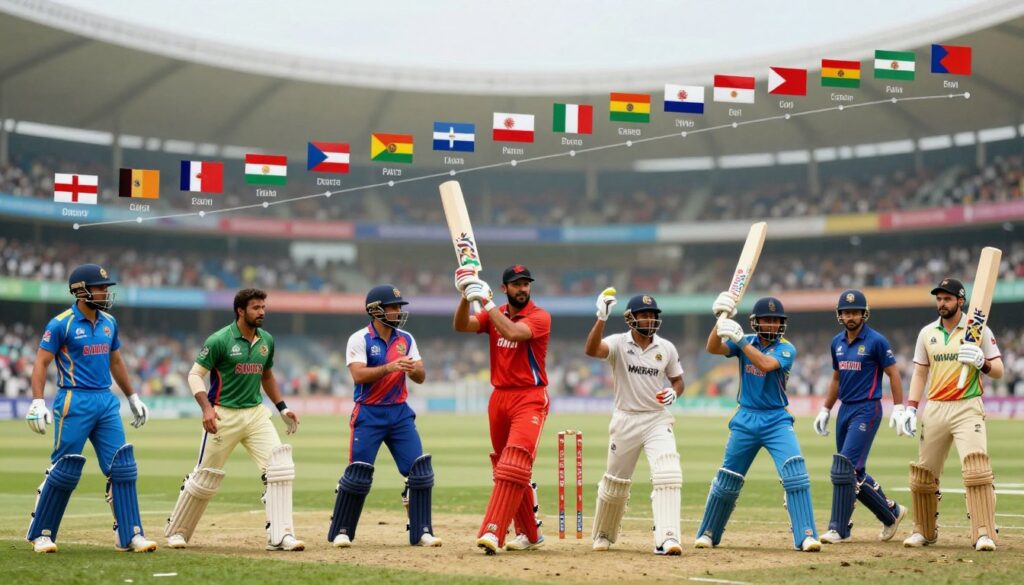
Originating in South Africa in 2007, the t20 world cup set a new pace for international games. The fast format pushed teams to think different. Fans found a shorter, sharper spectacle that fit modern schedules and TV slots.
The event grew steadily. In 2018 the name changed from World Twenty20 to the Men’s T20 World Cup, which gave the competition a clearer identity. That rebrand helped the icc men t20 calendar and drew more attention from broadcasters and sponsors.
The Shift in Global Cricket
The pace and stakes changed how national sides prepared. Associate teams like the United States and Arab Emirates began appearing more often. That widened the pool of talent and made the event feel truly global.
The Rise of T20
Short matches highlighted big hitters like Rohit Sharma and rising bowlers such as Arshdeep Singh. Organizers refined the group stage and venues to keep every game exciting. Today’s men t20 world format blends quick action with strategic depth — a clear evolution from the early days.
How Many Countries Play Cricket in T20 World Cup Tournaments
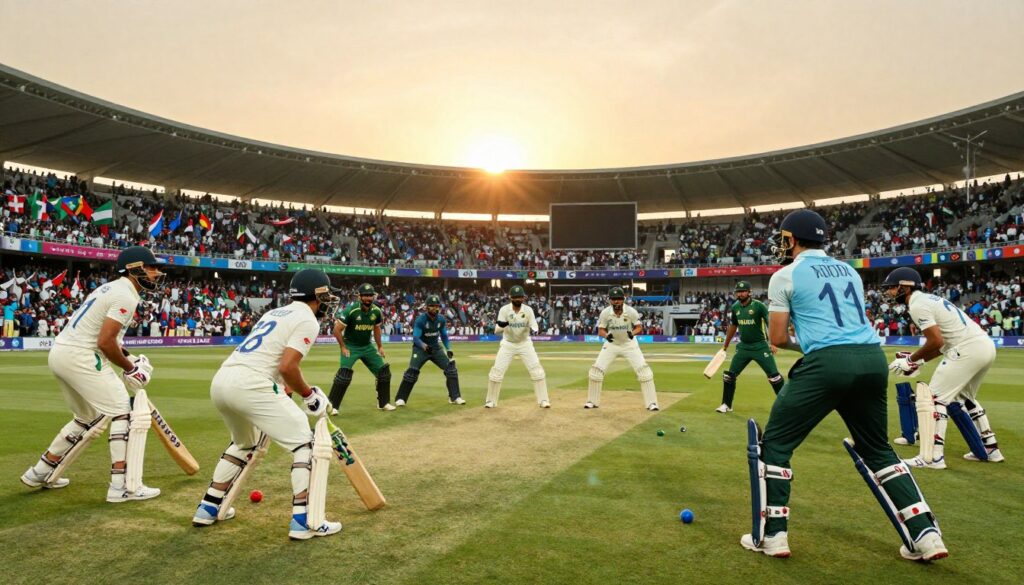
The 2026 tournament featured twenty teams, split into balanced groups.
Twenty national sides qualified for the men t20 world event. Organizers divided them into four groups of five. This group stage gave each team several games and a fair shot to advance.
The top two teams from each group moved on to the knockout phase. That format kept every match meaningful and raised the stakes for every side.
“A twenty-team field expanded representation and boosted competition across regions.”
- The International Cricket Council aimed for wider international cricket inclusion.
- Associates like the United States and Arab Emirates earned places.
- Traditional powers such as New Zealand, Sri Lanka, West Indies, and South Africa featured too.
| Group | Teams | Advance | Key names |
|---|---|---|---|
| A | 5 | Top 2 | Rohit Sharma |
| B | 5 | Top 2 | Arshdeep Singh |
| C | 5 | Top 2 | New Zealand |
| D | 5 | Top 2 | West Indies / Sri Lanka / South Africa |
The Origins of the Twenty20 Format
A fresh, fast-paced match length gave cricket a new energy and drew younger fans. The initial idea was simple: shorten the game to make it more exciting and easier to follow after work or on weekends.
The First Official Matches
The first official Twenty20 matches were held on 13 June 2003 between English counties. That domestic trial proved a hit with fans and broadcasters.
On 17 February 2005 Australia beat New Zealand in the first men’s full international Twenty20 match. That game showed the format worked at the highest level.
“Shorter matches created new tactics and a livelier stadium atmosphere.”
The International Cricket Council saw the potential and launched the first men t20 world event in South Africa in 2007. Teams such as the West Indies and Sri Lanka helped the tournament find a global audience.
- The format aimed to reach younger supporters and boost broadcast appeal.
- Early international success sped up the creation of the formal tournament.
- Over time, more teams like the United States and Arab Emirates joined the growing men t20 world field.
| Year | Milestone | Significance |
|---|---|---|
| 2003 | First official county matches | Proved domestic appeal and TV potential |
| 2005 | First men’s full international | Validated format for top-level games |
| 2007 | First men t20 world in South Africa | Established the global tournament structure |
Early Years and Initial Participation
When the first edition started in South Africa, the event felt like an experiment that worked.
The 2007 tournament had a compact field. Few teams took part compared with the expanded list you see by world cup 2024. That small start let organizers test the format and build interest.
Sides such as Sri Lanka and West Indies helped the men t20 world gain credibility. Fans still talk about the iconic venues and tight group games that set the tone.
The 2009 edition in England, won by Pakistan, showed the event could deliver drama and attract wider attention. The ICC began planning steady expansion to include more nations over time.
“Every early match added to the tournament’s prestige and helped shape later editions.”
- The group stage was simpler then, but effective.
- Associate sides like the United States and Arab Emirates were on the horizon.
- Modern names such as Rohit Sharma and Arshdeep Singh owe much to those first games.
Expansion to Sixteen Teams
A major change arrived in 2014 when the field expanded to sixteen national squads. That edition, hosted by Bangladesh, marked the first formal move to a larger lineup. The 2012 plan had briefly aimed for sixteen but returned to twelve before changes stuck.
The Shift to Sixteen Teams
The shift made every group stage match more important. With sixteen teams, the tournament format gave each side clearer pathways to the knockouts. You saw classic sides like New Zealand, West Indies, Sri Lanka, and South Africa meet a wider pool of opponents.
Impact on Associate Nations
The expansion opened doors for associate sides. Teams such as the United States and Arab Emirates gained vital exposure and game time at a high level. That presence helped international cricket grow across new regions.
“Expanding to sixteen teams was a turning point for global reach and competitive balance.”
| Year | Teams | Key Result |
|---|---|---|
| 2012 | 12 (planned 16) | Format reverted to 12 |
| 2014 | 16 | First 16-team edition (Bangladesh) |
| Post-2014 | Expanded field | More associates, more venues, more matches |
Rebranding and Global Growth
The ICC’s 2018 renaming sharpened the event’s identity and marketing reach. That move made the t20 world cup easier to promote and helped broadcasters sell the story to new fans.
Even when the 2021 tournament moved to the United Arab Emirates and Oman due to the pandemic, the momentum stayed strong. Organizers kept the group stage and match formats stable to preserve viewer interest.
You can see the impact across editions. The rebrand paved the way for world cup 2024 and cup 2024 to reach wider audiences. Teams like the West Indies, Sri Lanka, and South Africa remained central to the story.
“Rebranding elevated the tournament and helped it become a truly global spectacle.”
- The icc men t20 identity drove clearer marketing.
- High-profile players such as Rohit Sharma and Arshdeep Singh boosted appeal.
- More teams, including the United States and Arab Emirates, expanded international cricket access.
The Modern Twenty Team Format
A twenty-team field now delivers wider reach while keeping matches intense.
This edition uses four groups of five. Each group stage match matters because the top two teams from every group move on. You get a fair chance to see underdogs and established sides face off.
Group Stage Dynamics
The group stage rewards consistency. Teams play multiple matches over a short time. Points and net run rate decide who rises. That pressure suits big names like Rohit Sharma and rising stars such as Arshdeep Singh.
Super Eight Structure
Eight qualifiers form two groups of four. The Super 8 tightens competition and removes slip-ups. Teams like New Zealand, West Indies, and Sri Lanka often test depth at this stage.
Knockout Stages
The top two from each Super 8 group reach the semis. From there, every match is do-or-die. The format guides the path from the group stage to the final. It also helps the icc men t20 calendar expand global reach by welcoming sides such as the United States and Arab Emirates.
“A compact, layered format makes the men t20 world event fast, fair, and thrilling.”
- Twenty teams ensure regional balance and more matches.
- Super 8 rewards steady performers before knockouts.
- The structure makes world cup 2024 cycles richer for fans.
Qualification Pathways for Participating Nations
Qualification paths mix automatic slots for top sides with regional playoffs that test emerging teams.
The ICC men t20 grants direct entry to high-ranked squads such as New Zealand, West Indies, and Sri Lanka based on past performance and rankings.
Other nations earn their place through regional qualifiers across Africa, Europe, Asia, and the Americas. That system helped bring teams like the United States and the Arab Emirates into the 2026 field.
The qualifiers are fierce. Every match matters for hopes of reaching the group stage. For players and fans, advancing feels like joining the elite of the men t20 world.
“Every qualifier is a step toward the tournament and a chance to prove you belong.”
- The pathways combine ranking-based spots and regional tournaments.
- Top teams often avoid early rounds, while associates compete regionally.
- Success in qualifiers leads to the group stage and then key knockout matches.
| Path | Examples | Outcome |
|---|---|---|
| Direct entry | New Zealand, West Indies, Sri Lanka | Automatic spot |
| Regional qualifiers | United States, Arab Emirates | Earned places |
| Final slots | Top ranked + qualifiers | Group stage berth |
Understanding this route helps you see why figures like Rohit Sharma and Arshdeep Singh are so valued. They are the standard players teams need to reach and win at the tournament.
Host Nations and Regional Representation
Co-hosting has reshaped where fans watch the men t20 world unfold. Organizers now pair countries to stretch the tournament’s reach and boost local interest.
The 2026 edition, led by india sri lanka, showed how two hosts can share venues and logistics. That model eased travel and brought diverse crowds to each match.
Co-hosting Trends
The 2024 event, split between the west indies and the united states, proved co-hosting can open new markets. The ICC men t20 supports this approach to grow the sport.
- More exposure: Multiple hosts mean more cities see tournament action.
- Stronger attendance: Local fans fill stands when national fixtures arrive.
- Broader impact: Teams like new zealand and the arab emirates gain wider exposure.
“Shared hosting brings fresh atmospheres and helps the men t20 world reach new fans.”
You’ll notice stars such as rohit sharma and arshdeep singh often play in varied venues from south africa to Sri Lanka. The group stage is spread across sites to give more communities a chance to watch live.
Notable Tournament Debuts
When a new nation steps onto the global stage, the t20 world cup gains fresh stories fast.
Italy’s first qualification in 2026 proved that persistence pays. Their entry widened the list of competitive teams and inspired local growth.
The United States made a landmark debut at a major ICC event in 2024. That appearance signaled a shift for international cricket and gave new fans reasons to follow the t20 world.
Debutants often meet established sides in the group stage. Facing names like sri lanka or south africa sets a high bar. It also offers moments that attract attention back home.
“Every debut match is a chance to make history and inspire a new generation.”
- Italy (2026) and the United States (2024) show the tournament’s widening reach.
- Arab Emirates and other newcomers add depth to each men t20 event.
- Stars such as rohit sharma and arshdeep singh often welcome these teams on the field.
| Debut Year | Team | Impact |
|---|---|---|
| 2024 | United States | Broadened fan base; boosted Americas interest |
| 2026 | Italy | Opened pathways in Europe; inspired grassroots growth |
| Recent | Arab Emirates | Stronger regional competition; more competitive matches |
Performance Records of Competing Countries
Tracking wins, finals and player longevity shows which teams shape the t20 world cup story most.
Most successful teams: India leads with three titles (2007, 2024, 2026). That record underlines their place at the top of the modern men t20 era.
Consistent performers
Other nations have been steady challengers. The west indies, sri lanka, and south africa each left notable marks across editions. New Zealand also stays competitive in late stages.
- Rohit Sharma appears in all nine editions, a rare sign of longevity and form.
- Group stage runs and knockout wins build many of these records.
- Emerging sides such as the united states and arab emirates raise the stakes for future stats.
“Every record broken reflects how the tournament and international cricket evolve.”
| Metric | Notable | Why it matters |
|---|---|---|
| Titles | India — 3 | Shows sustained dominance |
| Appearances | Rohit Sharma — 9 | Highlights player longevity |
| Consistency | New Zealand, West Indies | Regular deep runs |
The Role of Associate Members
Emerging teams bring energy and surprise to every edition of the tournament. Associates have qualified since the early events. Today the format guarantees at least eight associate sides a place.
That inclusion helps global growth. The ICC gives clear paths so the United States and the Arab Emirates can reach the men t20 world stage. These teams face giants like Sri Lanka or South Africa in the group stage.
For fans in India, these matchups add fresh stories. Players such as Rohit Sharma and Arshdeep Singh meet new opponents and test strategies. Every game boosts interest and lifts local programs.
“Associate members are vital for the global expansion of international cricket.”
- They grow talent pools and create new markets.
- They make the tournament more inclusive and competitive.
- They turn group matches into memorable moments for fans.
| Aspect | Impact | Example |
|---|---|---|
| Qualification | Clear pathway via regional events | United States |
| Exposure | Higher standards and media attention | Arab Emirates |
| Development | Grassroots growth and funding | New domestic leagues |
Impact of Tournament Expansion on Global Cricket
Expansion has turned each edition into a wider scouting ground for fresh talent. The shift to a twenty-team field widened exposure across regions. That change boosted the number of meaningful matches and local interest.
The result is a deeper pool of players who can test skills against top sides. Teams like new zealand, west indies, and sri lanka now meet more varied rivals. That keeps standards high while creating surprises.
Broadening the Talent Pool
Now the top two teams from each group must earn their spots against fresh opponents. More nations such as the united states and arab emirates add new styles and local stars.
- More matches mean more scouting and faster player growth.
- The tournament pushes domestic programs to improve talent pipelines.
- Stars like rohit sharma and arshdeep singh face newer challenges and opportunities.
This expansion helps the icc men t20 grow the game. For fans in India, it makes every group stage game a chance to spot the next big name in international cricket.
Prize Money and Financial Incentives
Monetary incentives for the tournament drive both preparation and long-term growth. The ICC allocated a total pool of $11.25 million for 2026. The winning side took home $2.45 million.
You should know this matters beyond the trophy. Boards use payouts to fund youth programs and facilities. That support helps nations such as the United States and the Arab Emirates build stronger squads.
Top teams like New Zealand, West Indies, Sri Lanka, and South Africa feel the impact. Players such as Rohit Sharma and Arshdeep Singh also play with careers and national goals tied to each match.
“The prize pool reflects the commercial success of the men t20 world and funds future growth.”
- The icc men rewards performance across the group stage and knockout rounds.
- Financial stakes make every match high pressure and professionally meaningful.
- Prize funds help teams invest in coaching, leagues, and talent pipelines.
Future Outlook for International Cricket
Upcoming tournaments will push the game into new markets while honoring traditions.
The 2028 edition will be hosted across Australia and New Zealand. That event should set a high bar for fans and teams alike. Then the 2030 schedule moves to England, Wales, Ireland, and Scotland.
These plans show the icc men t20 aims to grow the sport and boost regional access. The calendar also keeps cycles like world cup 2024 visible as a development benchmark.
“Every match ahead will build new stories and widen global interest.”
- More hosts mean larger crowds and better broadcast reach.
- Teams such as West Indies, Sri Lanka, and South Africa will remain central.
- Emerging sides from the United States and Arab Emirates expand competition.
| Year | Hosts | Impact |
|---|---|---|
| 2028 | Australia, New Zealand | High-profile venues; strong attendance |
| 2030 | England, Wales, Ireland, Scotland | Expanded UK & Ireland interest |
| Ongoing | Global | Better talent pathways; more competitive matches |
Players like Rohit Sharma and Arshdeep Singh are shaping the next era. For you, that means more thrilling men t20 action and richer stories across the international cricket scene.
Conclusion
The modern men t20 event blends short bursts of action with global reach and talent depth. It has grown from a compact trial to a major stage that highlights teams such as new zealand, west indies, and sri lanka.
You now see why the t20 world model works. The men t20 world format gives underdogs and giants alike real chances. Associates like the united states and established sides like south africa add fresh storylines.
Follow the icc men t20 cycle and cricket news to catch each new moment. Thank you for reading — the future of the game looks bright and full of exciting matches.