You might feel that this game surfaces only every four years during Olympic events. Coverage fades between tournaments, so many fans wonder where passion runs deep year-round.
Yet the story is richer. Some regions treat the sport as a daily fixture. Clubs, schools, and local leagues keep momentum alive. Professional teams and strong youth systems help turn casual interest into tradition.
In this guide, you’ll trace roots and modern trends. We will look at participation rates, pro success, and cultural ties. This view will help you spot which nations view the game as part of life, not just an event highlight.
Key Takeaways
- Interest often spikes at major international events but can be steady in certain regions.
- Local clubs and youth programs sustain long-term participation.
- Pro success and tradition shape national attention.
- Broadcast gaps hide strong followings in some places.
- This article maps where the game is a cultural staple today.
Understanding the Global Reach of Field Hockey
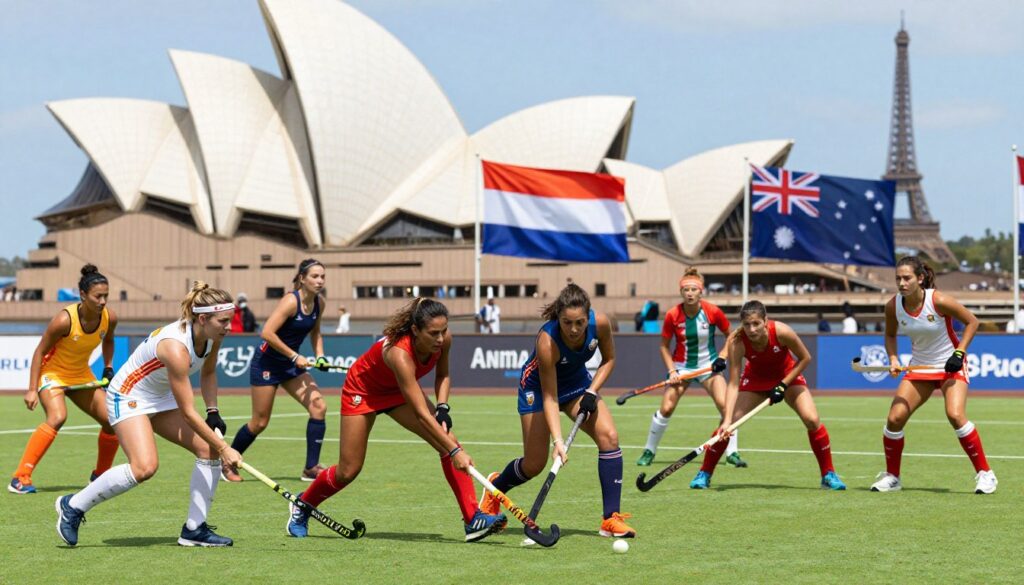
A single governing body links local clubs to major tournaments. The International Hockey Federation sets rules and runs international play. This structure helps national groups stay aligned.
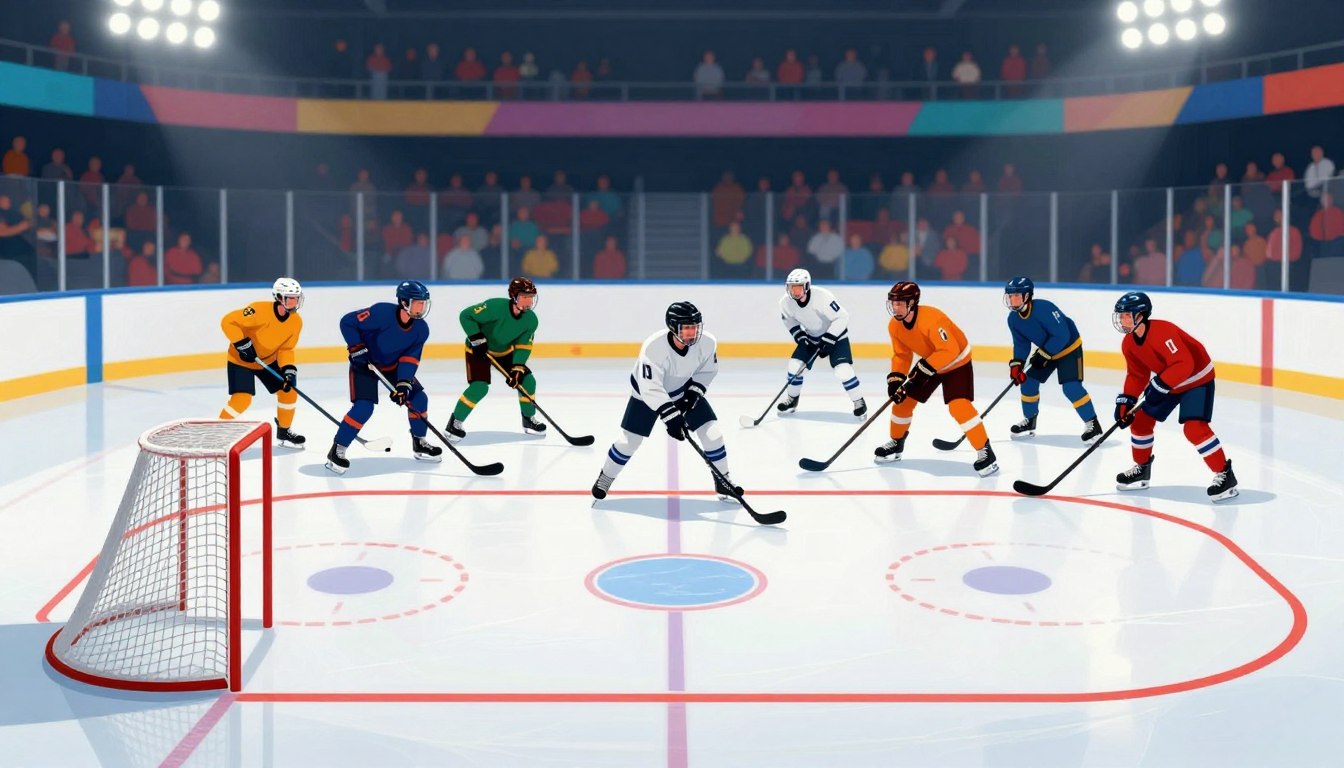
Unlike ice hockey, play happens on grass or synthetic turf. Teams have eleven players per side. That includes ten field players and one goalkeeper.
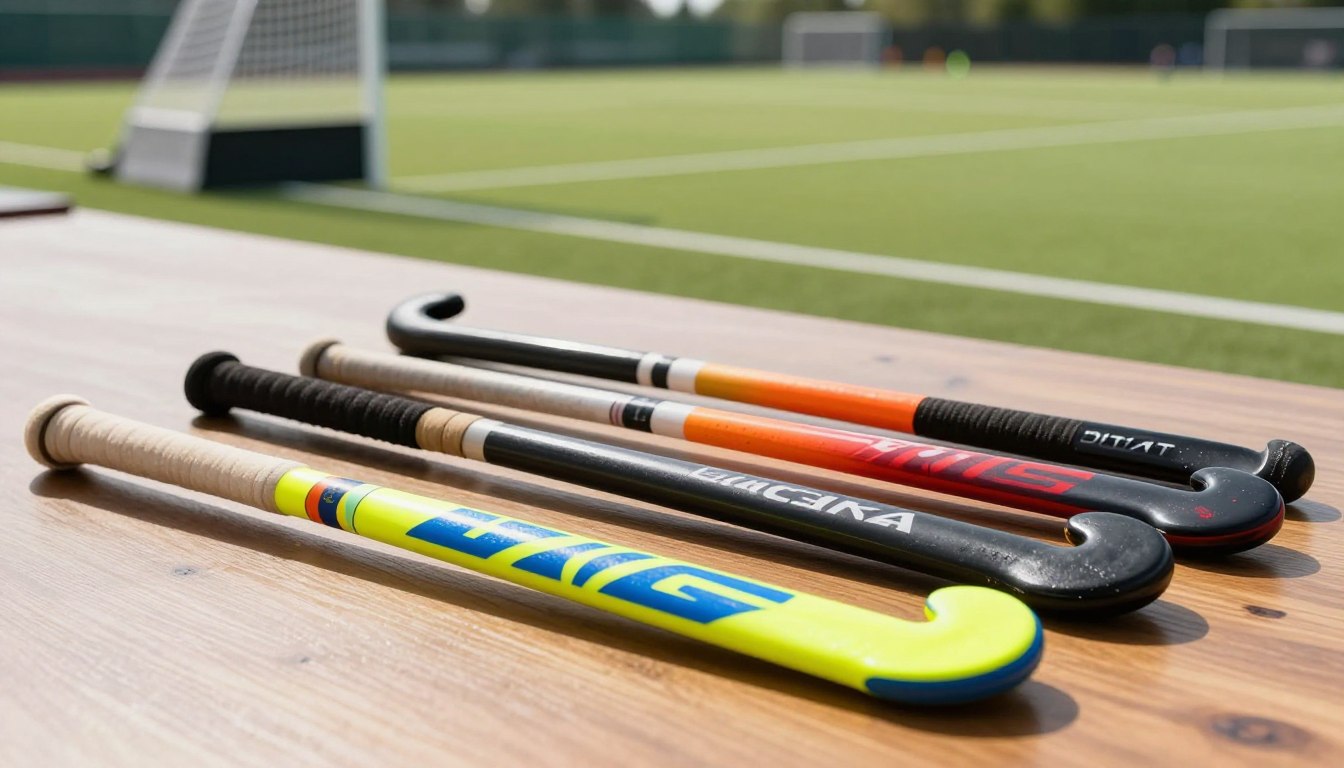
The goalkeeper is the only player allowed to touch the ball with a body part. A good defender must use the curved stick correctly. Using the rounded side is strictly forbidden.
In many places the game is known simply as hockey. That can cause confusion with other stick-and-ball games. For example, some fans mix it up with regional versions or ice play.
- Unified rules from the federation aid international tournaments.
- Grass and turf surfaces shape tactics and training.
- Clear player roles—goalkeeper, defender, attacker—help coaches build a team.
In what countries is field hockey the most popular ?
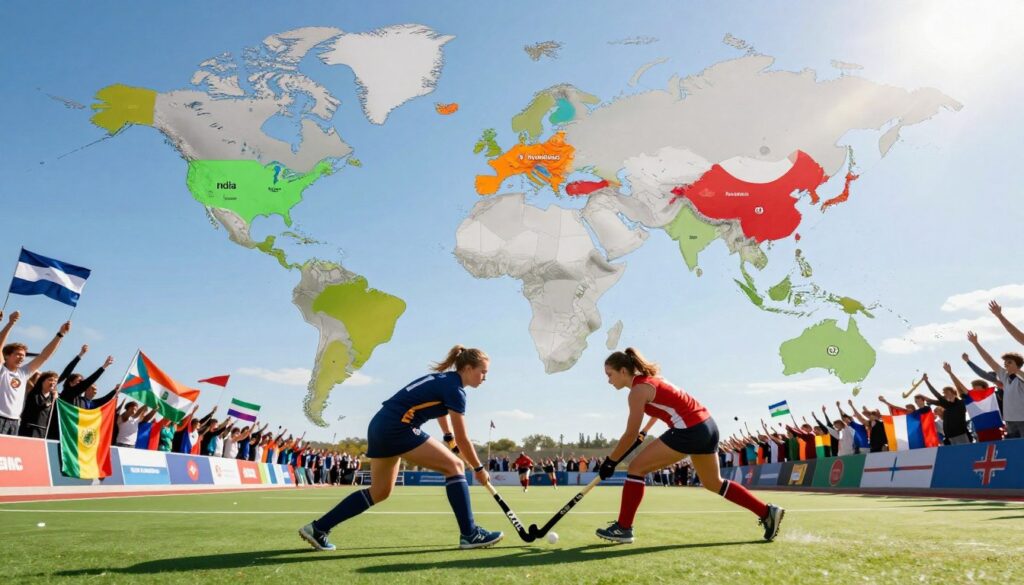
Some nations treat this sport as part of daily life, not just an event highlight. You see this in places with long club traditions and school programs that start children young. Local leagues feed talent into national squads.
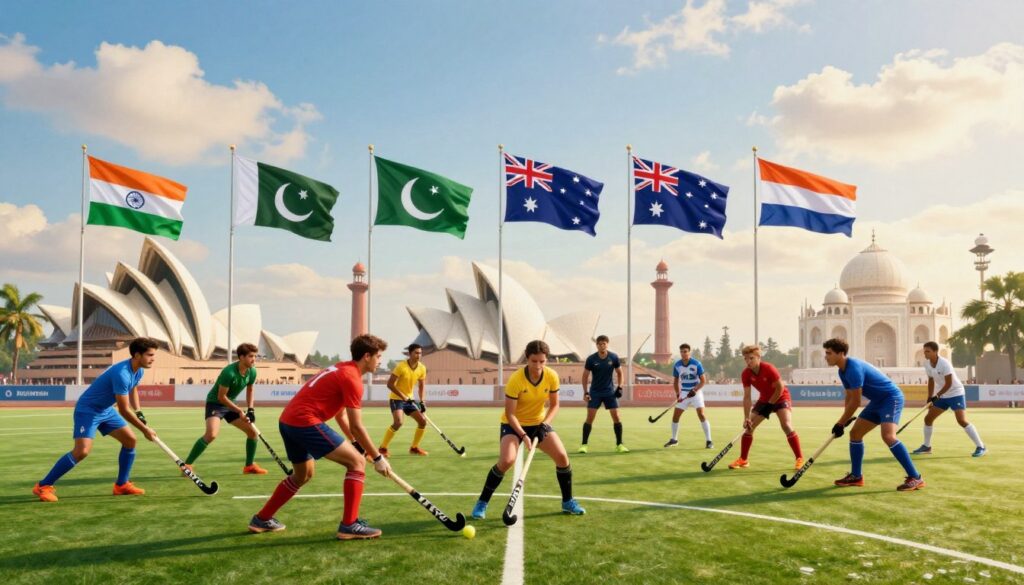
Regional hotspots include the Netherlands, Australia, and India. In each, activity runs from schoolyards to pro arenas. Coaches stress fitness because every player covers lots of ground in a single match.
Communities rally behind the national team during big tournaments. Fans pack stands and celebrate goals like public festivals. That support turns a simple game into a cultural fixture.
Why it matters locally
- Youth pipelines: Schools teach basics early, creating steady talent.
- Match intensity: A goalkeeper and every player must stay sharp for long runs.
- Tactical pride: A defender protecting the circle shows training depth and teamwork.
Historical Roots and Ancient Origins
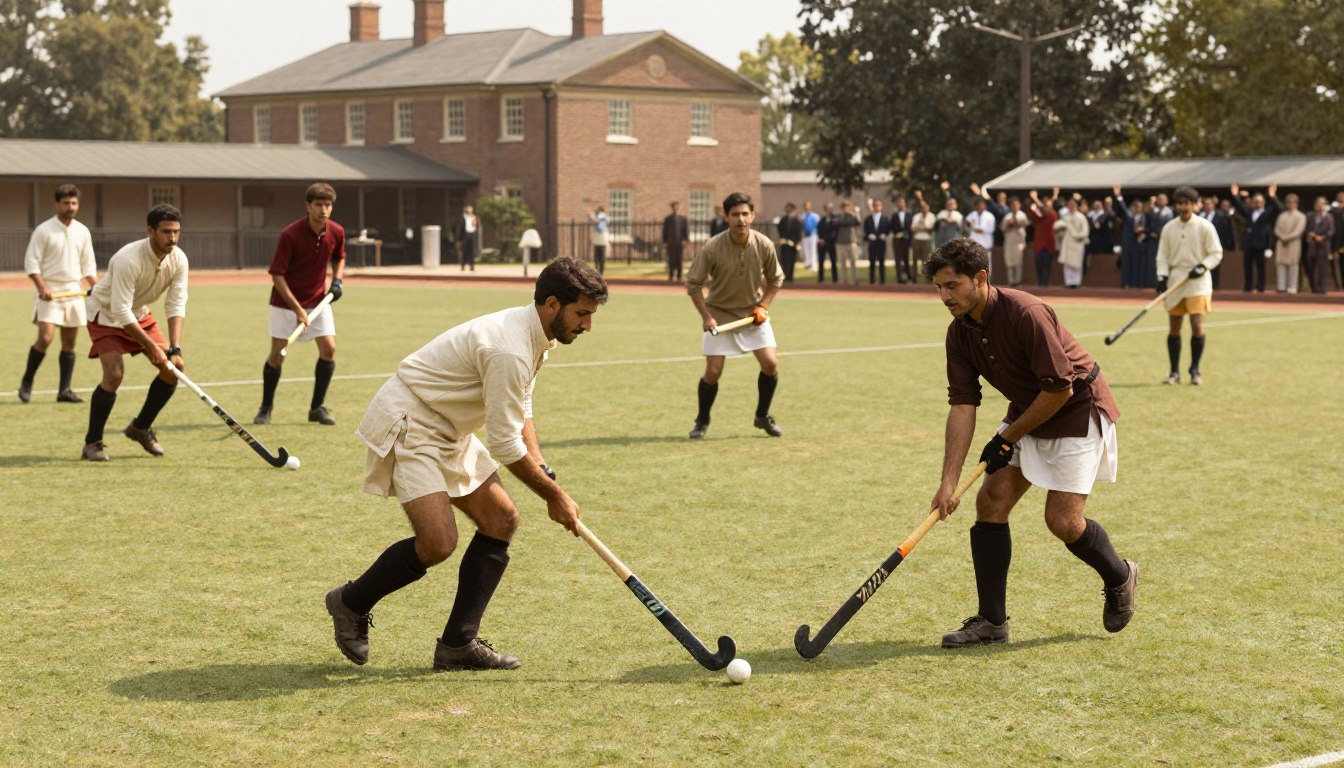
Long traditions trace this pastime well before modern clubs. Ancient records name stick-and-ball contests in Egypt and Persia around 2000 BC. These early games mixed ritual, training, and simple play.
Across the classical world, Greeks played kerētízein using a horn-shaped stick to move a ball across a marked field. Colonial-era accounts note chueca in 16th-century Chile as an example that shares familiar moves and tactics.
Ancient Games and Rituals
By the Middle Ages, a related word appears in a 1363 English proclamation, yet the exact origin remains unclear. Over centuries, local versions taught basic skills a young player could learn quickly.
In 19th-century England, public schools shaped the modern rules and team structure. That period turned scattered pastimes into an organized sport with positions such as goalkeeper and defender.
- Ancient roots show wide geographic spread.
- Local rituals often led to organized play.
- Modern rules grew from school-based codification.
The Evolution of Modern Rules and Governing Bodies
Formal rule-making transformed local play into a global game. In 1876, the Hockey Association formed in England and began standardizing play across clubs and schools.
That early step helped shape uniforms, team size, and basic play patterns. In 1924, the International Hockey Federation arrived. It created a steady rulebook for international matches and tournaments.
Modern rules keep safety and fairness front and center. Players must use the flat side of the stick. A goalkeeper may use their body to stop a shot, but only inside the shooting circle.
Key changes include the striking circle and the shift from a puck-like ball to a true spherical ball. These moves made play faster and clearer for officials and fans.
“Standard rules and a single federation gave every side a shared way to compete.”
For example, the flat-side rule reduced injuries and improved control. Today, defenders and attackers train under those standards, which help the sport grow in clubs and schools across India and beyond.
Analyzing Success in the Hockey World Cup
A review of World Cup records reveals patterns of dominance and surprise. This section breaks data into men’s and women’s results so you can follow trends fast.
Men’s Championship Records
The first men’s world cup began in 1971. Over the decades, a few teams rose to the top.
Pakistan won four titles in the 20th century and shaped early tactics. India’s legacy shows up too with eight Olympic golds, a mark of long-term strength in international play.
Women’s World Cup Milestones
The inaugural women’s world cup started in 1972. Since then, one nation stands above the rest.
The Netherlands claimed nine world cup titles, setting a high bar for depth and development in women’s squads.
“A strong captain guides a side through tense tournaments, where every match and every goal counts.”
- Quick takeaway: early tournaments shaped which teams built systems for youth and pro players.
- Impact: success at world cup events lifts domestic leagues and coaching standards.
The Dominance of the Netherlands in Modern Play
Dutch clubs and school programs have turned this pastime into a national habit. You’re likely to find matches on weekends in towns and cities alike. That steady base feeds elite squads and strong local leagues.
In 2016 about 253,000 people played recreationally. That number shows how deep participation runs across this country. Flat land helped planners place many pitches close to homes and schools.
The national team keeps setting tactical trends and fitness standards. Coaches train every player to switch roles fast. A defender can become an attacker during a single play. Goalkeeper coaching also focuses on agility and reading the side of play.
“Versatility and volume of play make their system hard to beat.”
- Youth depth: wide club networks grow talent early.
- Infrastructure: many pitches support daily training.
- International impact: success at world cup events raises coaching quality.
Field Hockey Traditions in India and Pakistan
Centuries of rivalry and pride shape how two neighboring nations view this sport today.
India and Pakistan shared dominance on the Olympic stage for decades in the 20th century. That run made both sides symbols of national pride.
The Legacy of Dhyan Chand
Dhyan Chand remains an icon. His skill helped India win multiple Olympic golds and inspired a generation of players.
Even after play moved to synthetic surfaces, passion stayed strong. Coaches and captains still reference old tactics while adapting to faster pitches.
“Matches between these two rivals draw millions and carry a weight beyond sport.”
Key facts
| Aspect | India | Pakistan |
|---|---|---|
| Olympic legacy | Multiple golds, Dhyan Chand era | Decades of top-level success |
| Rivalry impact | Massive viewership | Nationwide attention |
| Modern challenge | Adapting to synthetic pitches | Updating training and infrastructure |
- Matches remain among the most anticipated in the hockey world.
- A captain here often carries hopes tied to past competitions.
The Role of Infrastructure and Synthetic Pitches
Pitch upgrades since the 1970s reshaped modern play. Turf brought faster ball movement and new tactical demands. Coaches changed drills and timing so every player can keep up.
Water-Based Synthetic Surfaces
Watered turf is now the standard at major tournaments. It lets the ball glide and reduces uneven bounce. That change cut some forms of player injury and sped up matches for both side and goalkeeper actions.
Ecological Considerations
New hybrid pitches use less water and last longer. These surfaces answer sustainability concerns in many regions. They also lower long-term maintenance while keeping good playability for clubs and teams.
Cost Barriers
High installation costs block growth in several countries. For a community or school, a quality pitch can be out of reach. That limits access to competitions and elite training.
- Quick fix: shared regional pitches can help more players train.
- Long-term: hybrid surfaces balance cost and ecology.
“Access to reliable pitches decides where the sport expands.”
Gender Participation Trends Across National Teams
Growth among female players helped reshape how national programs scout and train talent.
You’re seeing a clearer balance between men and women in many top associations. National squads now recruit from mixed grassroots pools. That shift makes squads deeper across age groups.
England Hockey reports strong numbers for both senior and youth teams. For example, the 2008-09 season logged thousands of registered teams across clubs and schools. That pipeline feeds national selection and keeps competitions busy year-round.
Across Asia and Europe, growth among women drove wider interest in this sport. Federations invest in scouting, coaching, and development to stay competitive. Those moves help a player move smoothly from school play to elite trials.
- Balanced rosters: more equal spots for men and women at national level.
- Strong youth base: school and club teams create steady talent flow.
- Development focus: scouting and coaching lift standards for every team.
“More women in the pipeline means healthier seasons and stronger national sides.”
Why International Success Does Not Always Equal Popularity
A national trophy can lift pride while local interest stays muted. You may see a top team win big and still find empty stands at regular season games. That gap shows how media, money, and habit shape attention.
Take Germany: strong in international competition yet limited reach at community level. In 2022 they had about 89,000 registered players. That number is small beside millions who follow football.
Why it happens: broadcasters favor major leagues, sponsors follow audience size, and schools keep teaching football first. A national squad can claim world titles and still fight for headlines.
- Media bias: coverage drives fan growth more than medals.
- Sponsorship: funds flow to sports with broader daily viewership.
- Local roots: a healthy base needs youth programs and clubs.
“You may be champions on the field, yet still compete for attention in a crowded market.”
The Unique Case of Field Hockey in the United States
American play centers on school seasons and college rivalries more than on club circuits. You’ll find most participation in high schools and NCAA programs along the East Coast.
Title IX changed access for women. It brought funding and regular seasons that let teams grow. Many young women gain college scholarships and pro-level coaching because of those rules.
Terminology matters here. In the U.S., people say field hockey to avoid confusion with ice hockey. That distinction shapes how the sport markets itself and how fans recognize it.
The American player pathway
Every player in college benefits from structured schedules, conference play, and certified coaches. This setup helps squads stay competitive and keeps a steady pipeline for talent.
“Strong school and college systems have made this a major space for women athletes in the U.S.”
- Concentration: East Coast hubs remain the main place for growth.
- Balance: men play too, but fewer than women.
- Seasonal rhythm: high school to college steps form the usual route.
Comparing Field Hockey to Other Major Global Sports
Compared with giants like football and cricket, field hockey keeps a smaller but dedicated following. You will find intense local leagues, solid youth systems, and loyal fans who attend every match.
Football rules global headlines. Billions watch its leagues and season finales. That scale drives huge media deals and widespread infrastructure.
Cricket unites large crowds across the Indian subcontinent during major competition. In contrast, this sport often thrives in clubs, schools, and focused regional hubs.
“Every player knows that while reach may differ, intensity and skill on the pitch match any top league.”
- Reach: football dominates global fandom and funding.
- Regional power: cricket rules big markets in South Asia.
- Cultural place: ice hockey holds unique status in Canada.
| Aspect | Football | Field Hockey |
|---|---|---|
| Global fans | Billions, huge TV presence | Millions, focused communities |
| Season structure | Long leagues, many matches | Club and school seasons, tournaments |
| Infrastructure | Massive stadiums, big budgets | Local pitches, selective funding |
| Player pathway | Pro academies, wide scouting | Clubs, schools, national programs |
The Impact of Olympic Competition on Sport Visibility
When the Games arrive, casual viewers often watch a full match for the first time. That burst of attention lifts a national squad into living rooms across continents.
Olympic weeks give unmatched exposure. Broadcasters run long highlights and live games. New fans see tactical depth and skill that regular season coverage rarely shows.
For many young players, Olympic moments spark interest. Medal ceremonies and hero stories inspire kids to join clubs and try local drills.
“Winning an Olympic medal often crowns a player’s career and boosts grassroots growth.”
- Visibility: global TV and social clips increase awareness.
- Inspiration: youth join after seeing national team success.
- Legacy: Olympic glory feeds coaching and funding.
| Impact Area | Short Term | Long Term |
|---|---|---|
| Media reach | Surge in viewers during events | More regular coverage and sponsorship |
| Youth interest | Spikes after dramatic matches | Sustained enrollment in clubs |
| National program | Intense preparation for tournaments | Improved coaching and facilities |
Challenges Facing the Growth of the Game
Money, media, and turf quality decide whether a region can build momentum.
High pitch costs block clubs and schools from installing synthetic turf. Without good surfaces, training stays slow and skills lag. Many communities in India face this barrier daily.
Mainstream rivals draw sponsors and airtime. Football and cricket take most schedules and local funding. That leaves limited room for smaller leagues to grow.
England Hockey works to widen access. England Hockey funds grassroots schemes and local facilities to lower entry costs. England Hockey also runs coaching clinics to lift standards.
Governing bodies aim to boost visibility outside Olympic cycles. They push for regular coverage, school links, and regional competitions. Every player and coach must press for better resources.
“Sustained effort across clubs, schools, and federations will secure long-term hockey goals.”
- Invest in shared pitches to cut costs.
- Build media plans for year-round games and competition.
- Support local teams and talent pipelines.
Career Opportunities for Aspiring Professional Players
A clear route to a pro career starts with strong club play and steady ambition. You can join local clubs, move into top domestic leagues, and then try trials abroad.
Clubs and leagues give you elite coaching, medical care, and regular match time. That setup helps a player sharpen skills and adapt to long season demands.
Expect to travel often for tournaments and international competition. That travel builds experience but raises fatigue and risk of injury.
Balance matters. Plan training, rest, and recovery. Use club support for strength work and injury prevention.
- Join a strong league to face varied competition.
- Seek clubs with good medical and coaching teams.
- Practice leadership; a captain role boosts selection chances.
“A committed player who handles travel, training, and recovery earns lasting spots on winning sides.”
Conclusion
Skill, history, and community combine to make this game a lasting global pastime.
Field hockey links clubs, schools, and national pride across regions. Fans and players keep local leagues alive. You see youth squads grow into elite sides through steady coaching and match play.
Success at major events like a world cup shows tactical depth and teamwork. That success lifts a team and inspires new players to join.
Women now drive growth through stronger leagues and better coaching. More women enter tournaments, lead clubs, and earn top spots.
As you explore this sport, expect a blend of history, athleticism, and close community ties that keeps players engaged for life.