Curious how eleven players, a stick, a fast ball, and a wide field turn into pure excitement? If you’re new, this guide gives clear, friendly steps to help you start playing with confidence.
The International Hockey Federation (FIH) sets official standards so matches stay fair and safe. Teams use curved sticks to move a hard ball toward a goal. Each side aims to score more goals by the end of play.
You’ll learn basic positions, key safety gear for head and body, plus how umpires use cards for fouls or misconduct. Short bursts of play, quick passes, and smart positioning make this sport exciting in India and worldwide.
Start here to understand simple penalties, the centre restart, and why every minute matters on the clock. Mastering these points helps you play better and enjoy every match.
Key Takeaways
- FIH provides official guidance so matches stay fair.
- Each team has eleven players using curved sticks and a ball.
- Goals decide the match; every scoring chance counts.
- Umpires use cards to manage fouls and ensure safety.
- Learn basic positions, centre restarts, and proper protective gear.
Understanding the Basics of Field Hockey
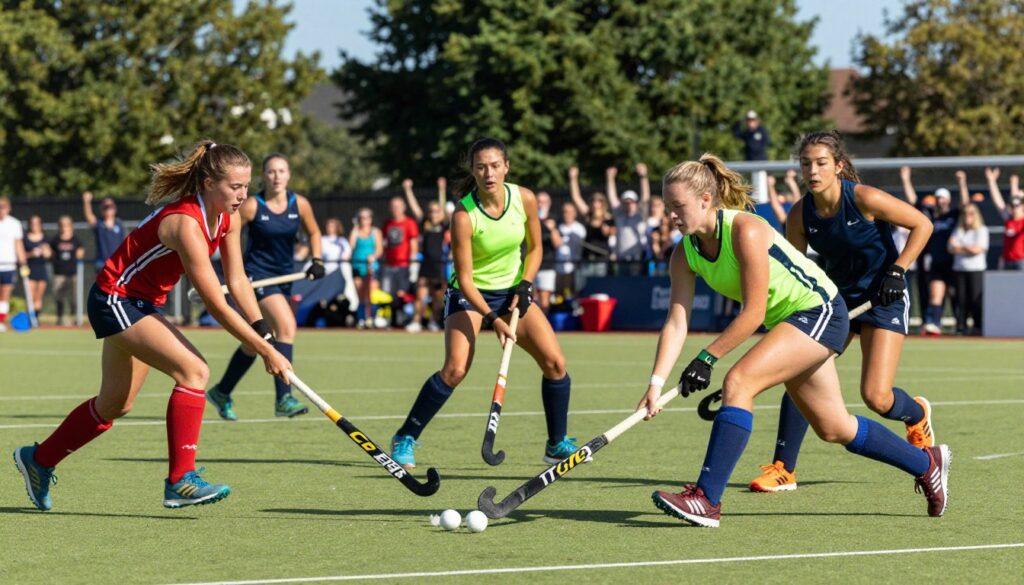
Start by seeing how early stick-and-ball pastimes turned into an organized sport with global reach.
Origins of the sport
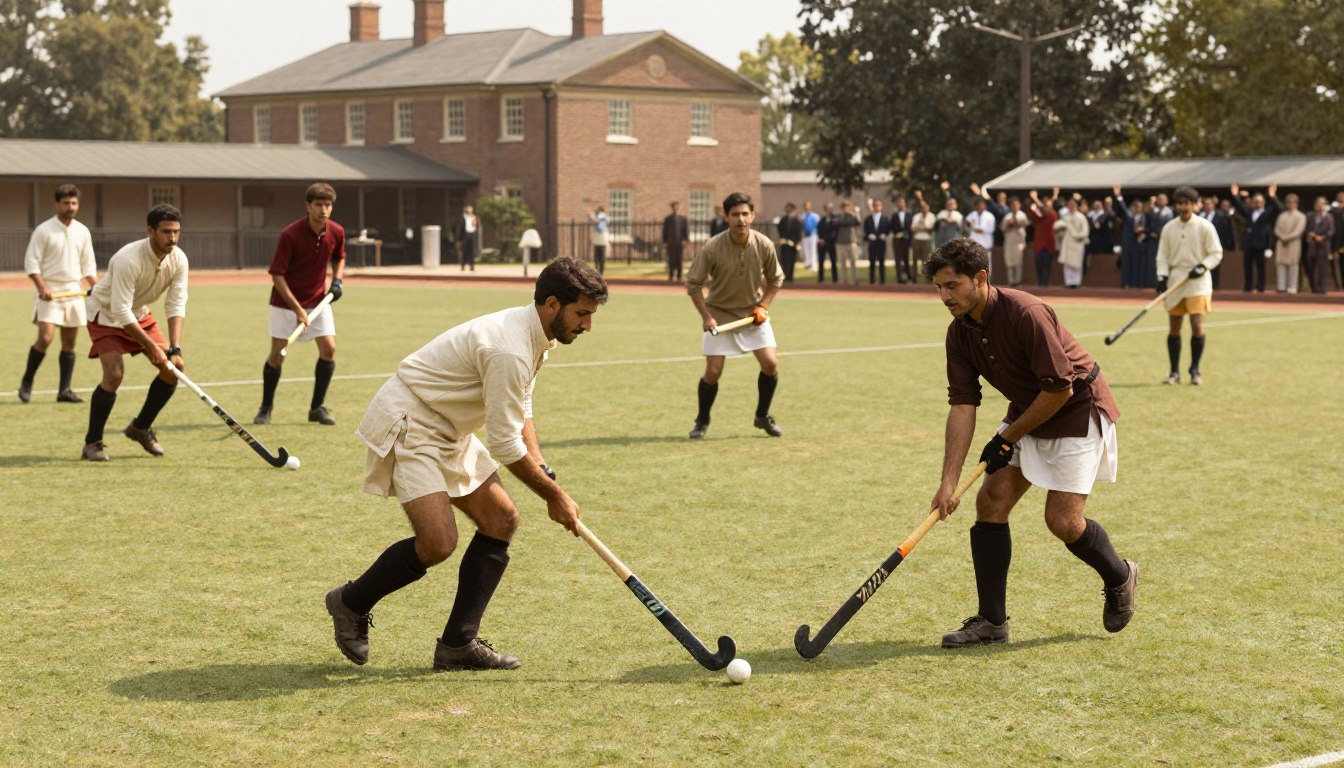
Early records show ball play in Egypt and Persia around 2000 BC. Other accounts point to Ethiopia near 1000 BC. These simple contests used a curved stick to move a ball across open ground.
Modern codification began in 19th-century England. A notable milestone was a club formed at Blackheath in 1849. The International Hockey Federation was set up in 1924 to guide fair play.
Global popularity
Field hockey reached wider audiences after appearances at early Olympics, with 1908 a turning point and full reinstatement by 1928. Synthetic turf in the 1970s sped up play and changed technique.
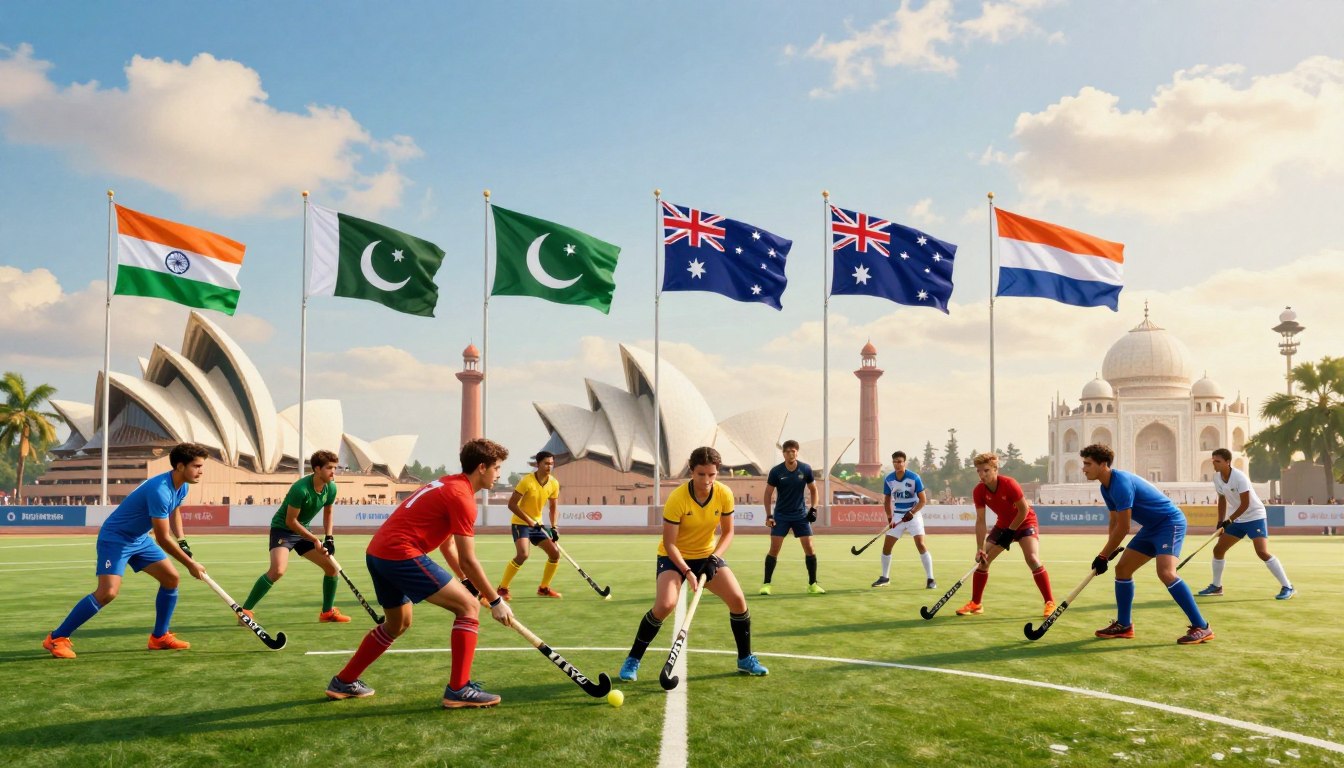
Today, nations like Australia, the Netherlands, and Germany lead at international events. Teams still aim to move the ball past defenders and into the goal while following clear rules to avoid a foul or penalty.
- Ancient roots lend depth to modern play.
- FIH governance keeps updates focused on safety and fairness.
- Synthetic fields shape speed and skill at all levels.
What are the rules and regulations of hockey game ?
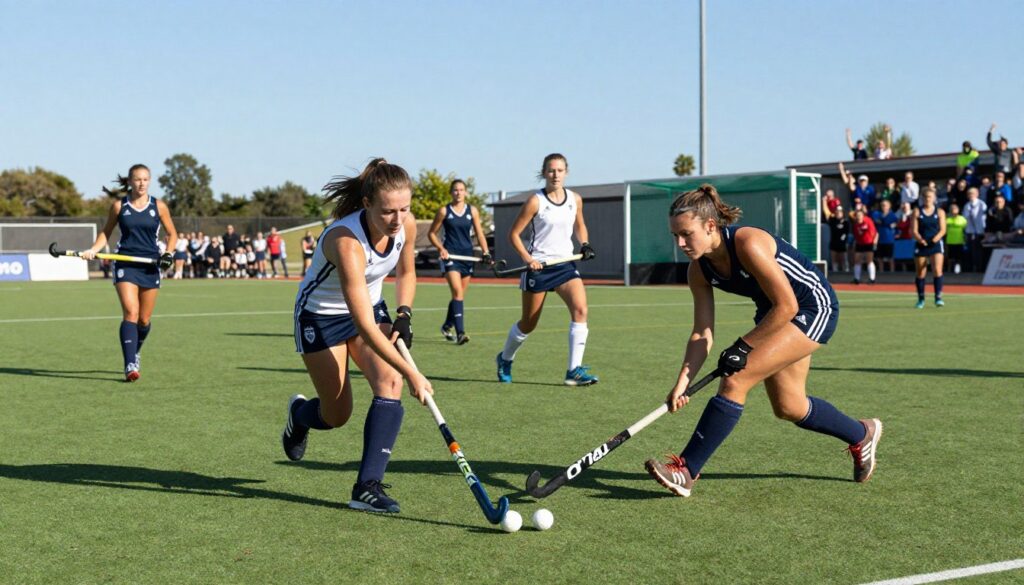
Understanding core match guidelines helps you play smarter and avoid common fouls.
Field hockey follows a clear code set by the International Hockey Federation. The FIH Rules Committee reviews updates to keep play safe and fair. National associations may adapt those points for local leagues.
Umpires control each match. They apply hockey rules, call fouls, and use cards when needed. If a player breaks conduct, a penalty can change time possession or lead to a short corner.
All teams must follow equipment limits for stick use and protective gear. Players should avoid dangerous hits to body or head. Keeping control of the ball and stick reduces risk and keeps play flowing.
| Topic | Who | Why it matters | Typical outcome |
|---|---|---|---|
| Rule updates | FIH Rules Committee | Maintain safety, fairness | Periodic rule changes |
| Enforcement | Umpires | Keep match control | Fouls, cards, penalties |
| Access | Players, coaches | Learn current standards | Rules online, app |
Tip: Stay updated via the FIH site or app. That helps your team perform within the right spirit and improves every player’s chance to score goals fairly.
The Composition of Teams
Player limits shape how a team sets up and reacts during play.
Each side fields a maximum of eleven players. That usually means ten field players plus a goalkeeper. Teams may also opt to play without a goalkeeper, but then no one may wear full head protection except a temporary face mask.
Substitution procedures
Substitutions keep energy high and tactics flexible.
Changes may occur at any time from the designated centre-line area. There is no limit to swaps, so coaches can manage fitness and roles across each half. Time stops only when a goalkeeper is replaced to avoid disrupting match flow.
During a penalty corner, swaps are restricted until play ends. Field players who leave for treatment or kit changes must re-enter between the 23-metre areas or within 3 metres of the centre-line.
“All players stay under umpire jurisdiction from first entry until the final whistle.”
- Tip: Use substitutions to protect a suspended goalkeeper or change formation after a goal.
Field Dimensions and Layout
A proper pitch sets how teams move, attack, and defend during a match.
The standard pitch measures 91.4 m by 55 m. Every line is 75 mm wide and counts as part of the playing area.
Goals sit at the centre of each back-line. They must be 2.14 m high and 3.66 m wide. Sideboards and a backboard help stop the ball after a shot.
- 23-metre lines are marked 22.90 m from each back-line to define key zones.
- A penalty spot, 150 mm across, sits 6.40 m from the inner edge of the goal-line.
- Flag-posts, 1.20–1.50 m high, mark each corner of the field.
- A centre-line divides the pitch into two equal halves for restarts and kick-offs.
Why this matters: Clear layout helps players position for attack or defence. Umpires use these lines to apply rules for corners, penalty strokes, and other set plays.
Maintaining these specs is required to host official matches in India and elsewhere. Knowing the layout makes it easier to read space, time a hit, and protect your goal during tight moments.
Understanding the Playing Surface
Different turfs make the ball run faster or slower and shape team tactics on match day.
Water-based surfaces
Water-based pitches use dense synthetic fibres and a thin film of water to create a very fast playing surface.
International events prefer this option because the ball moves smoothly with predictable roll. That helps players time a pass or set up a quick hit toward goal.
These surfaces reduce abrasion on body contact, lowering some injury risks. They do need regular irrigation and specific footwear for good grip.
Sand-based surfaces
Sand-dressed and sand-filled fields arrived in the 1970s to speed play versus grass. Sand supports fibres so the ball bounces less but still moves quickly.
They require less water than a water-based turf, though they can be slightly more abrasive on skin during slides.
Hybrid trends: After recent FIH guidance, many venues choose hybrid options that cut watering needs while keeping a fast ball pace. For teams in India, knowing surface type helps you pick shoes, tweak stick control, and set tactics before a match.
The Role of the Hockey Stick
How you hold and use a stick affects safety, possession, and whether a referee calls a penalty.
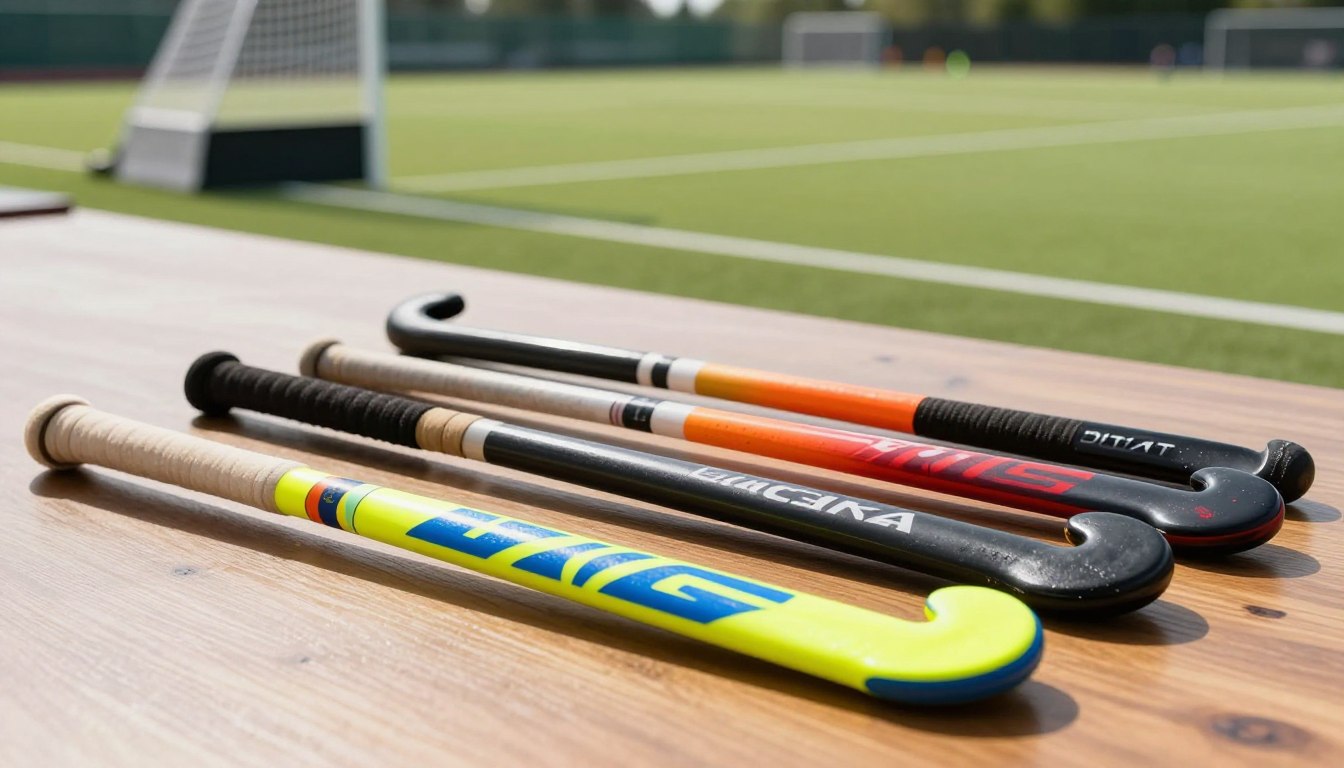
Modern sticks mix carbon fibre, fibreglass, and aramid. This blend gives a light feel with good power. Wooden shafts now seldom appear at elite levels.
Only the flat side may move the ball during play. Using the rounded side is a clear foul and will cost your team a penalty immediately.
Goalkeepers use a shaped stick to cover more surface. Still, they must follow the same flat-side limits set in match rules.
- Primary tool: The hockey stick defines how a player controls the ball and aims at goal.
- Grip rule: A hand holding the stick counts as part of that stick while playing the ball.
- Care: Inspect your stick before each match. Damaged gear may cause danger or a foul.
“Mastering stick handling is essential. It turns possession into scoring chances.”
| Feature | Impact | Advice |
|---|---|---|
| Material (carbon/fibreglass) | Balance of weight and power | Pick based on position and strength |
| Flat face rule | Legal method to move ball | Practice keeping blade flat on hits |
| Goalkeeper design | More blocking surface | Choose models within FIH limits |
How the Game Starts and Restarts
Play begins at the centre circle. A clean centre pass gives you a shot at early control. Two teams face off, each ready to shape attack or defence from the first second.
After a foul, umpires award a free hit to the opposing team to restart quickly. The ball must sit still before the free hit; officials watch closely for early movement during self-passes.
If a player kicks the ball accidentally, they may not gain advantage. In that case, possession moves to the opposing team unless play continues without benefit to the kicker.
Keep backswing low when you take a free hit or a corner. High swings risk contact with another player’s body or head and may bring a penalty.
- Tip: Respect distance rules so the taker has space to move.
- Practice: Quick, legal restarts often lead to goal chances.
| Restart | Who gets it | Key rule |
|---|---|---|
| Centre pass | Both teams | Ball in centre, ready at whistle |
| Free hit | Opposing team | Ball stationary, safe backswing |
| Corner | Attacking team | Set play from circle edge, controlled hit |
“Fast, fair restarts keep the match flowing and reward teams that train set plays.”
Scoring Goals and Winning the Match
Scoring starts when an attacker takes a controlled strike from inside the shooting circle. A valid goal happens only when the ball crosses the goal-line fully, between posts and under the crossbar.
Even if the ball misses, the action still counts as a shot if the player meant to score. Umpires watch closely for fouls during the attack. They check circle boundaries, offsides-like positioning, and any illegal use of the stick.
The team with the most goals at full time wins the match. That simple outcome guides every tactic on the field.
- Hit must start inside the circle: strikes from outside do not count as goals.
- Goal confirmation: umpires verify no foul or penalty changed the play.
- Strategy: teams use corners and set plays to create clear scoring chances.
“Every goal is built from teamwork, a neat pass, and a decisive finish.”
Conduct of Play for Field Players
Good conduct by field players keeps matches safe and fair for everyone.
Foot contact rules: No player may use feet or hands to move the ball. If a player kicks the ball, possession passes to the opposing team immediately. This prevents advantage from accidental contact.
Obstruction
Shielding the ball with body or stick is not allowed. Umpires will penalize a player who blocks an opponent from playing the ball. Repeated shielding draws stronger sanctions to protect fair contest.
Stick handling
Players must use the flat side of the stick for hits. Edges of the head and handle may touch the ball for control, but side stick use has limits.
Note: Left-handed sticks remain forbidden under FIH, so learn to control with the standard grip early.
- Keep the stick low when tackling to avoid dangerous contact.
- Avoid shoving or using your body to halt an opponent.
- Practice safe dribbling to reduce needless penalties.
| Topic | Allowed action | Penalty |
|---|---|---|
| Foot contact | No control with feet | Possession to opposing team |
| Shielding | No body or stick block | Free hit or card |
| Side stick use | Limited for control | Umpire warning or penalty |
“Fair, clear conduct keeps every player safe and helps your team play smarter.”
Specific Rules for Goalkeepers
A goalkeeper holds special responsibilities that shape how your team defends during tight moments.
Keepers wear full protective gear. That includes headgear, leg guards, kickers and hand protectors. This kit lets them face hard shots safely.
Inside their shooting circle, a keeper may use any part of the body to stop the ball. Outside that circle, they act like any other field player and must follow normal stick use rules.
If a keeper is suspended, your team plays one fewer player. That change hits defence hard. Any swap between a keeper and a field player must be a formal substitution during play.
- Privileges: use body to block shots only inside circle.
- Safety: specialised gear is mandatory for goalie role.
- Substitution: follow umpire procedures when replacing keeper.
“A reliable keeper changes how opponents plan corners and attacks.”
Train to use equipment well. That helps you clear the ball quickly after a save and keeps your team in control during tight match time.
Understanding the Striking Circle
The striking circle defines where attacks change into real chances to score. It sits 15 metres from each baseline and forms that familiar D shape near every goal. When the ball enters, you must act fast and smart.
Only a shot played from inside this area counts as a valid goal. The circle also links the two quarter arcs at each end to form a clear boundary for umpires.
Goalkeepers get special privileges here. They may use body parts to block shots while inside that space. That advantage changes how your team attacks and defends near goal.
- Key point: You must move the ball into the striking circle before taking a scoring hit.
- Defenders try to keep play outside circle areas to reduce scoring chances.
- Any foul by a defender inside often leads to a penalty corner for the attacking team.
- Practice shooting from various angles inside to boost accuracy and confidence under time pressure.
“The circle is where intensity spikes and match decisions often come down to a single touch.”
Managing Fouls and Misconduct
A quick whistle can change momentum, so you must know what leads to a penalty.
Umpires use cards to control misconduct. Persistent fouls may suspend a player for a set time. That leaves your team short and changes tactics fast.
If a player dribbles, loses control, or kicks the ball, they cannot keep any advantage. Possession goes to the opposing team with a free hit to restart play.
No shoving or using the body to block an opponent is allowed. Such actions bring an immediate free hit to the opponent and often a warning card for the offender.
- Fouls happen: officials spot unsafe contact to protect all players on the field.
- Restarts: a free hit gives clear space for the taker to resume play.
- Respect: arguing with umpires risks harsher sanctions and wasted time for your team.
“Consistent application of rules keeps the sport fair. Play smart, not rough.”
Learn common fouls early. That helps you keep possession, create a real goal chance, and enjoy every minute of the game.
The Use of Penalty Corners
A penalty corner tests set-piece skill and nerves under pressure. It is given when a defender fouls inside the circle or intentionally sends the ball over the backline.
During this restart, defenders must stay behind the goal-line until an attacker plays the ball. Substitutions do not happen then, except for an injured or suspended goalkeeper.
Attackers use planned moves to free space, send a sharp pass, then set up a strike at goal. Quick, accurate passing often decides success.
Defenders focus on tight marking, fast blocks with stick or body, and brave dives to stop high-speed shots. Umpires watch closely for safety and correct positioning.
- Key point: Any injury stoppage during a corner leads to a retake to keep play fair.
- Practice timing for that first pass and final hit. Speed and precision matter.
- Watch pro teams to learn common set plays and defensive counters.
“Penalty corners are where planning meets courage.”
Umpiring and Fair Play
Good umpires keep play fair by watching space, stick use, and quick calls on fouls.
Umpires act as guardians for every match. They apply hockey rules set by the FIH Rules Committee. That group reviews updates so officials stay consistent at international level.
Your respect for an umpire matters. Decisions about conduct on the field are final. Accepting calls keeps focus on skill and avoids needless conflict.
- Umpires use clear signals to show a foul, a penalty, or restart.
- They watch angles so a stray ball or raised stick is judged fast and fair.
- Consistent application of hockey rules helps players learn expected behaviour.
- Good officials also teach by explaining calls after play, helping beginners improve.
Tip: Talk calmly with an umpire if you need clarity. That shows sportsmanship and helps everyone enjoy the game more.
“Fair play means more than rule-following; it means respect for opponents, officials, and safety.”
Safety and Protective Equipment
Good equipment makes you safer and more confident on the field.
Make sure kit does not present a danger by design or damage. Inspect sticks, guards, straps before each match. Umpires check gear at lineups to keep everyone safe.
Mouthguards and shin guards are essential. They cut risk from fast shots and close tackles during regular play. Beginners should invest in quality items to build confidence.
Goalkeepers must wear full protection: headgear, leg guards, kickers and hand pads. This kit is vital when facing high-speed shots inside the circle.
When defending a penalty corner, players may use a face mask for short-term protection. Remove it immediately after the set piece ends to follow FIH guidance and keep sightlines clear.
- Do a pre-match gear check to confirm condition and fit.
- Choose certified items that meet safety standards.
- Share responsibility: respect teammates, opponents, and officials.
“Safety first helps you focus on skill, tactics, and enjoying every minute on the field.”
Conclusion
Close with a practical checklist: use rule knowledge to act with calm confidence during every match and session.
Mastering field hockey basics helps you read space, time tackles, and shape attack. Learn penalty corner setups, protect yourself with proper kit, and respect fair play.
As you practice, your feel for the circle and quick restarts will improve. Small habits—clear communication, steady positioning, and smart substitutions—add up to better team results.
Keep checking FIH updates so your approach stays current. Stay curious, train often, and enjoy each chance to play. That steady work brings skill, safety, and real match confidence.