Curious about which match ball suits your play or practice? You’re not alone. This guide gives a clear, friendly list that covers every ball used in modern play.
You’ll find notes on the iconic red leather match ball, the white ball used under lights, and the simple rubber ball many players start with. Knowing these differences helps you pick gear that boosts your skills and fits local conditions in India.
Whether you’re a coach, fan, or a player learning the ropes, this quick intro points you to the right section for details. Expect practical tips, brand mentions, and a compact list that makes choice easy.
Key Takeaways
- You’ll learn which match and practice balls suit specific conditions.
- The guide highlights standard leather and white ball variants.
- Simple rubber and synthetic options are covered for casual play.
- Practical tips help you pick gear for training and competition.
- Content is tailored for readers in India and for international rules.
Understanding How Many Types of Cricket Balls Are There in the World
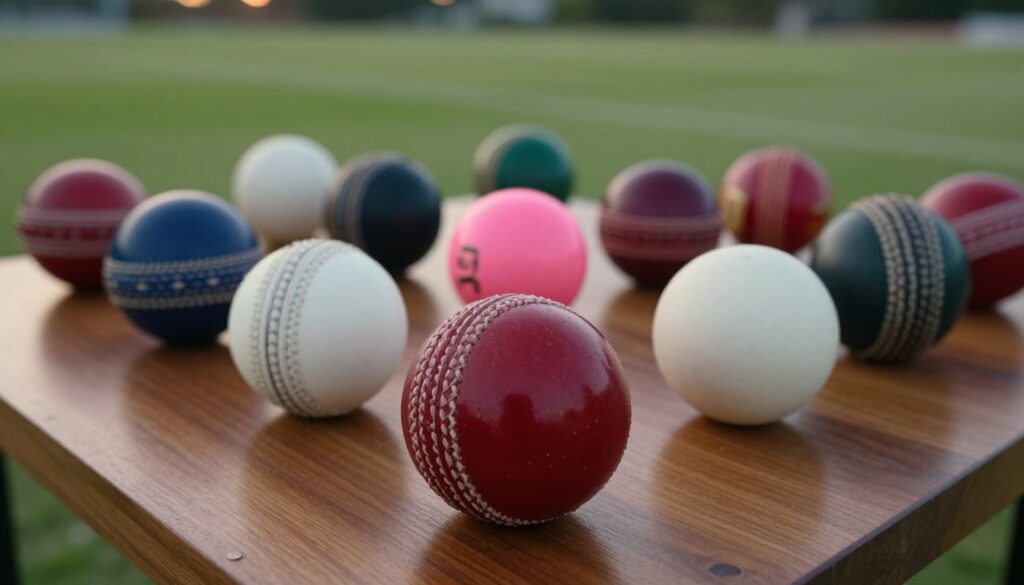
Choice of ball depends on game format, age group, and budget more than you might expect.
When you look at the different types, selection hinges on match format and player age. Professional matches use leather balls built to precise standards. Casual play often relies on cheaper rubber or tennis options that cut cost and lower injury risk.
This short list covers what you’ll find: red and white leather for formal play, pink for day-night fixtures, and synthetic or rubber balls for training. Each cricket ball used affects bounce, swing, and safety.
Manufacturers make various types balls to match skill levels. That helps coaches pick gear for youth sessions and club practice. Knowing the different types cricket helps you choose a cricket ball that fits performance needs and cost.
- Leather match balls: high performance for official games.
- Rubber and tennis balls: low cost, safe for street and nets.
- Synthetic training balls: durable for repeated practice.
Professional Leather Balls for International Matches
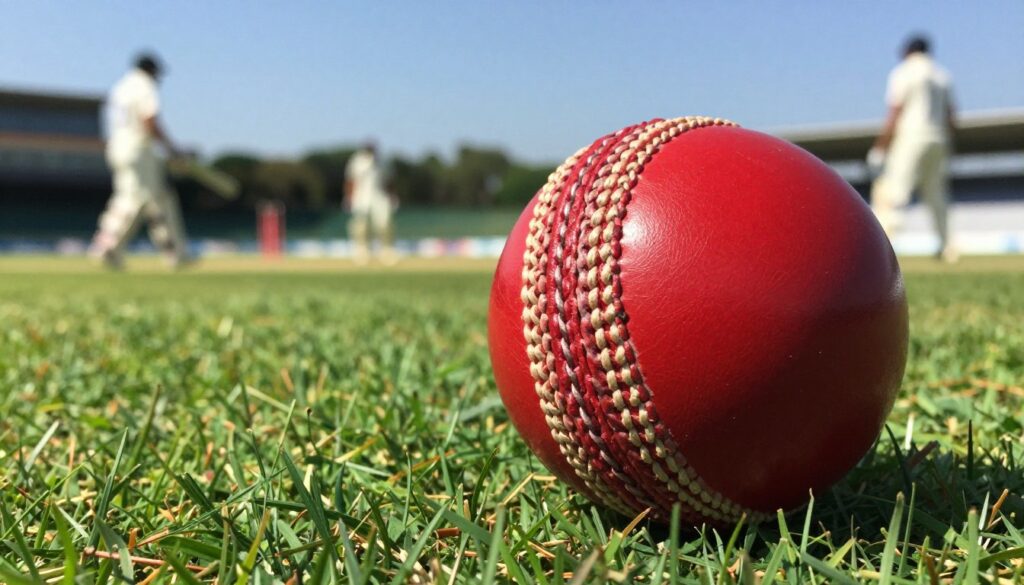
International play depends on carefully made leather balls that last sessions and overs.
You’re looking at items built to tight standards. These leather balls shape swing, seam, and longevity in long games.
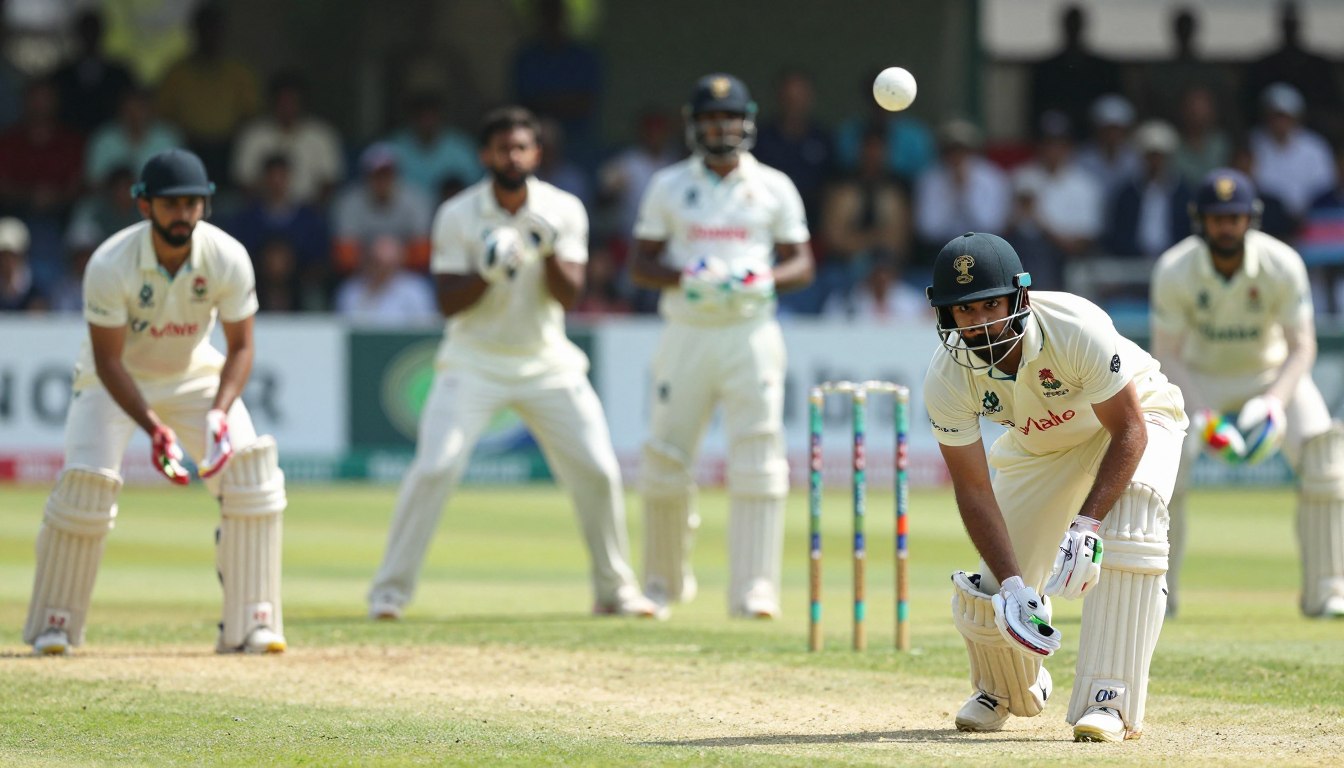
Red and white leather serve distinct roles. The red leather ball is the staple for test matches. It offers durability and pronounced swing in favorable conditions.
Red Leather Balls
Red leather is chosen for multi-day cricket because it keeps its seam and roughs up predictably. Brands like Kookaburra use a four-piece construction and match weight of 156 grams for international test matches.
White Leather Balls
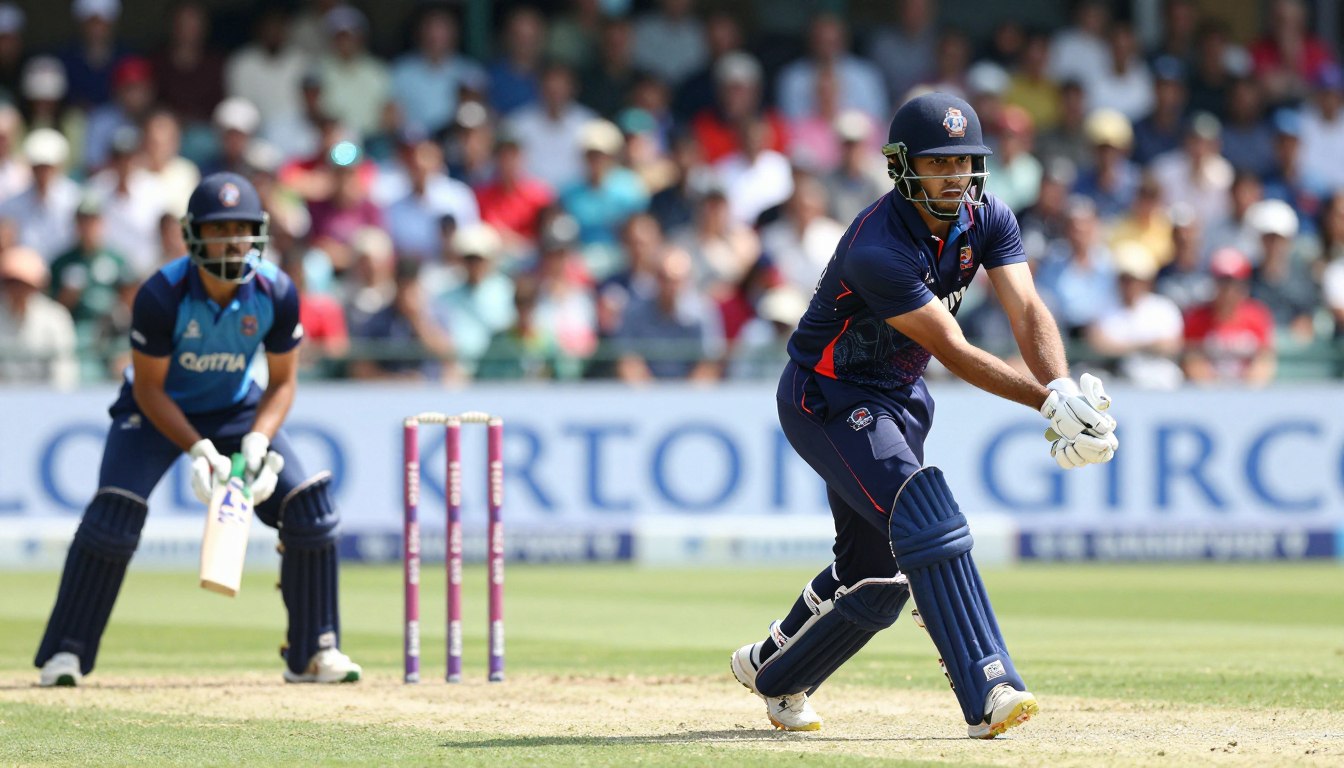
White leather balls are used in limited-overs play and under lights. They are treated to retain color and visibility for many overs.
Manufacturing Standards
Different makers tune leather and stitching to local conditions. Dukes balls from England are famous for swing that can last 50 overs. In India, the SG ball is most used international for Tests and offers a strong seam at a pro price point.
- Kookaburra: four-piece, 156 g, standard for many Tests.
- Dukes: long-lasting swing; popular in England.
- SG: common in India; durable seam for pro matches.
| Brand | Feature | Typical Cost |
|---|---|---|
| Kookaburra | 4-piece, consistent weight | £10–£100 |
| Dukes | Designed to swing for long overs | £10–£100 |
| SG | Durable seam for Tests (India) | ₹650–₹2000 |
“A well-made seam influences both swing and bounce across a long match.”
Bottom line: professional leather balls are engineered for performance. Choose based on match format, local conditions, and the seam characteristics you want.
Specialized Balls for Day and Night Conditions
Playing under floodlights changed the demand for a ball that stays visible and true across long innings.
The pink ball first saw official use at the Adelaide Oval in 2015 to fix visibility problems during day-night test match play. Manufacturers adjusted dye and outer leather to make the ball easier to spot under artificial light.
The evolution of the pink ball
Today these leather balls use a blended seam that mixes synthetic thread with linen. That stitch gives bowlers a different feel and seam movement during extended overs.
White leather stays standard for limited-overs, but the pink leather is now the preferred choice for day-night test matches. Teams must rethink strategy because the pink ball can behave differently under lights than a red leather ball.
Manufacturers keep refining treatments so the ball holds shape, color, and seam integrity for long spells. That helps players and coaches plan sessions and select the right ball used for match conditions.
“The pink ball changed how teams approach bowling and fielding late into the day.”
- Introduced 2015, Adelaide Oval
- Blended seam for unique swing
- Preferred for day-night test match fixtures
Training and Practice Equipment
Coaching centers often pick practice balls that focus on feel and safety for young players.
Synthetic Training Balls
Most academies use synthetic training balls for nets and fielding drills. They cost between ₹120 and ₹250, so they fit beginner budgets in India.
These are durable and low maintenance. The feel is forgiving, which helps you focus on technique rather than speed or seam wear.
Cork Balls for Coaching
Cork balls give a closer feel to a leather ball without the full price. Expect prices near ₹350–₹550 per unit.
Coaches use cork units for seam practice and for bowlers who need match-like feedback during sessions.
- Rubber and tennis options remain popular for casual nets and youth drills.
- Using these training tools helps players shift smoothly to leather cricket balls used in matches.
“Practice with the right gear speeds skill transfer and keeps sessions safe.”
Recreational and Street Cricket Options
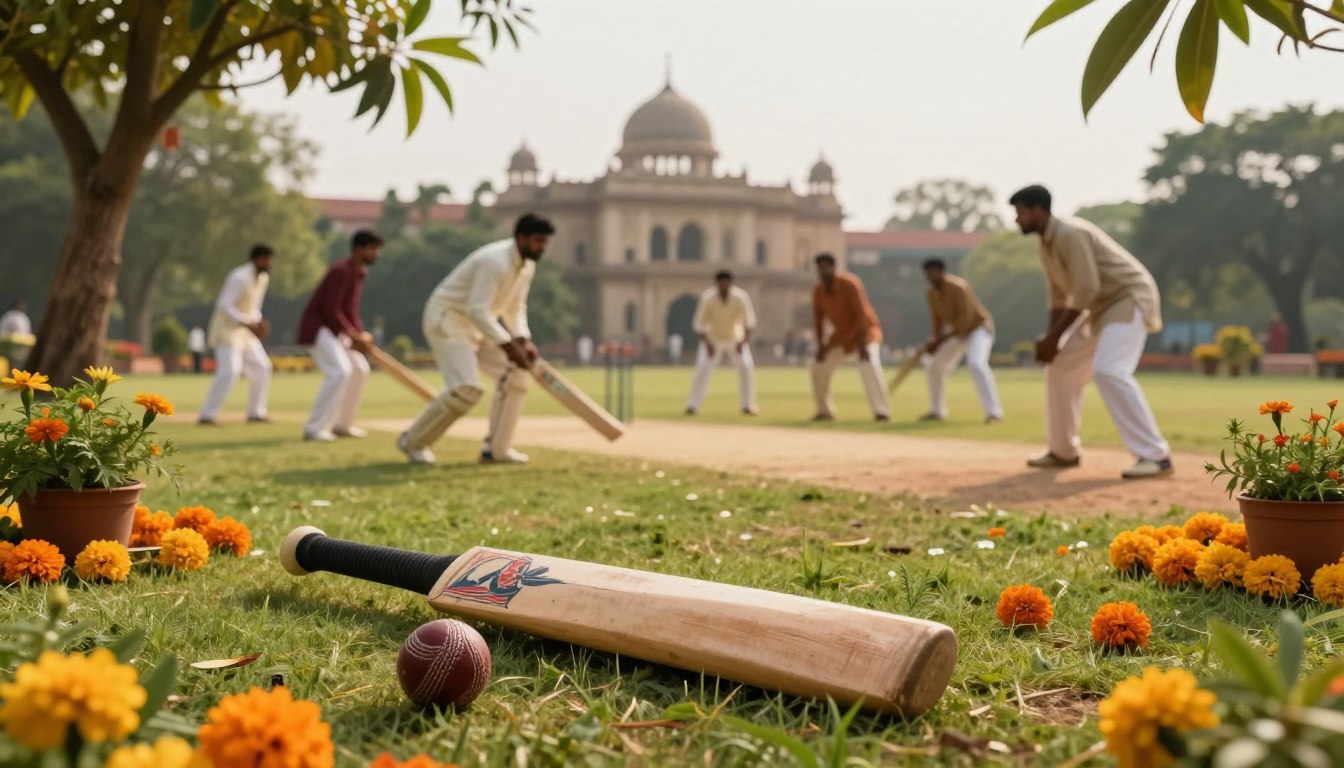
Neighbourhood matches often rely on soft, low-cost options that let everyone join in.
Street play commonly uses tennis or sponge balls. These are safer for casual games and light on the wrist. You can buy 20 sponge balls for around ₹60, which keeps cost low for groups.
These recreational balls suit narrow lanes and small yards. They do not have the seam or weight of leather balls used in professional matches. That makes them gentler for beginners.
Players still build great skills with these toys. They help with hand-eye coordination, footwork, and timing. Local matches often use rubber or tennis choices so the sport stays accessible to all budgets.
“Affordable, durable options keep street play vibrant and let newcomers learn without heavy gear.”
- Buy in bulk for practice and casual play.
- Perfect for limited space and quick games.
- Great stepping stone before moving to a leather cricket ball for formal training.
Conclusion
Choose with purpose. Start by matching what you need to where you play. Red leather rules test play, while the white ball meets the needs of limited-overs and floodlit games.
The pink ball changed day-night test strategy by improving visibility. For nets and drills, go with synthetic or cork options for safe, low-cost practice. Rubber options keep street matches friendly and cheap.
Understanding manufacturing and seam behavior helps you pick gear that fits skill level and local conditions. Use this short list to decide fast and play better, whether it’s a formal test or a casual match at your local ground.