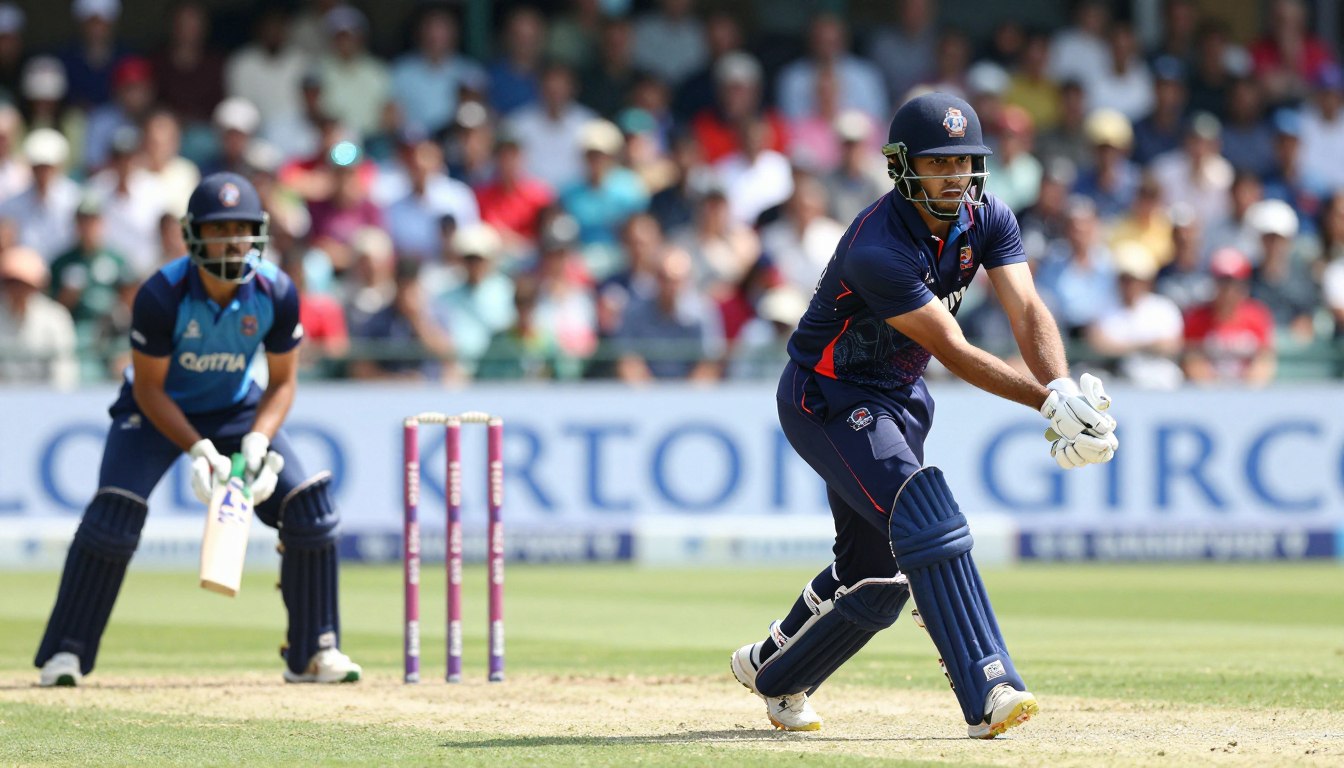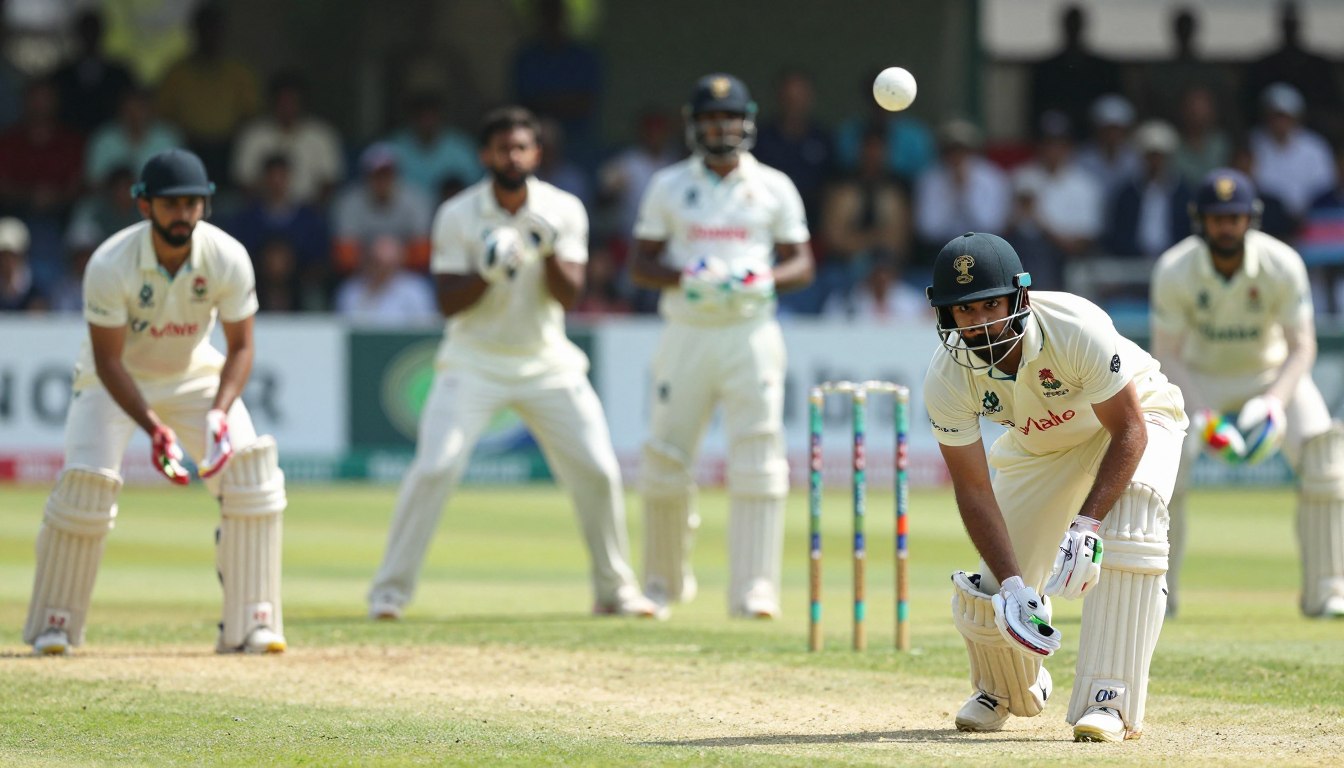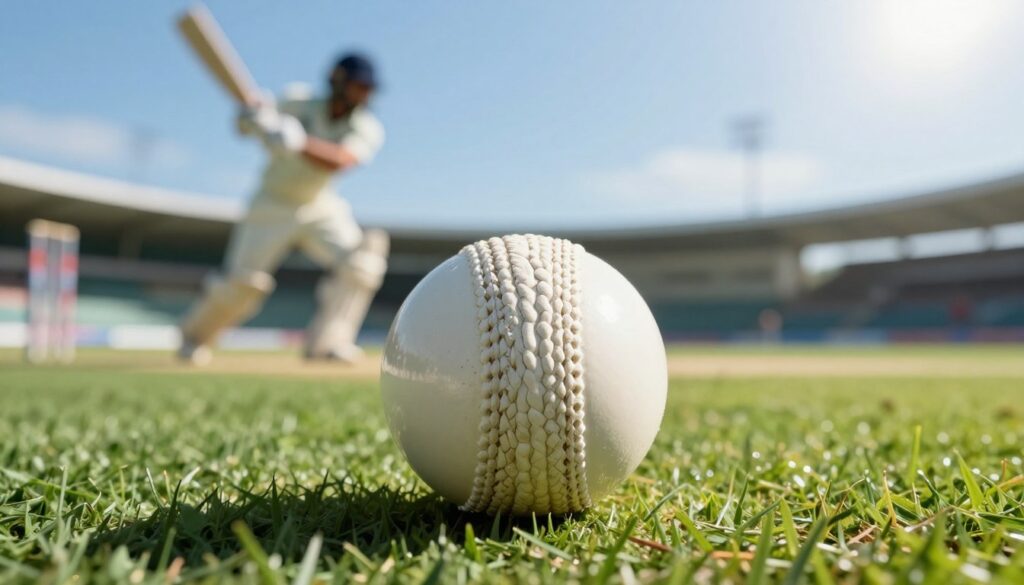
Curious which ball shapes the thrill of every high-speed over? You might spot bowlers and batters battling, but the gear behind that action matters just as much.
The Kookaburra white ball serves as the standard in ICC tournaments. It meets strict international standards for weight, circumference, and durability so play stays fair across teams, from India to the West Indies.
Professional balls are engineered to give consistent bounce and swing. That design changes how your bat meets the pitch and how every over unfolds.
Officials inspect each ball to confirm it meets the demands of intense matches. Knowing which ball is used international level helps you read the nuances and enjoy the game more.
Key Takeaways
- The Kookaburra white ball is the official choice for ICC T20 events.
- Balls follow strict standards to ensure fair international play.
- Design affects bounce, swing, and how the bat performs.
- Each ball is inspected before matches to meet durability rules.
- Understanding the ball deepens your appreciation of match tactics.
Which Cricket Ball is Used in the T20 World Cup?
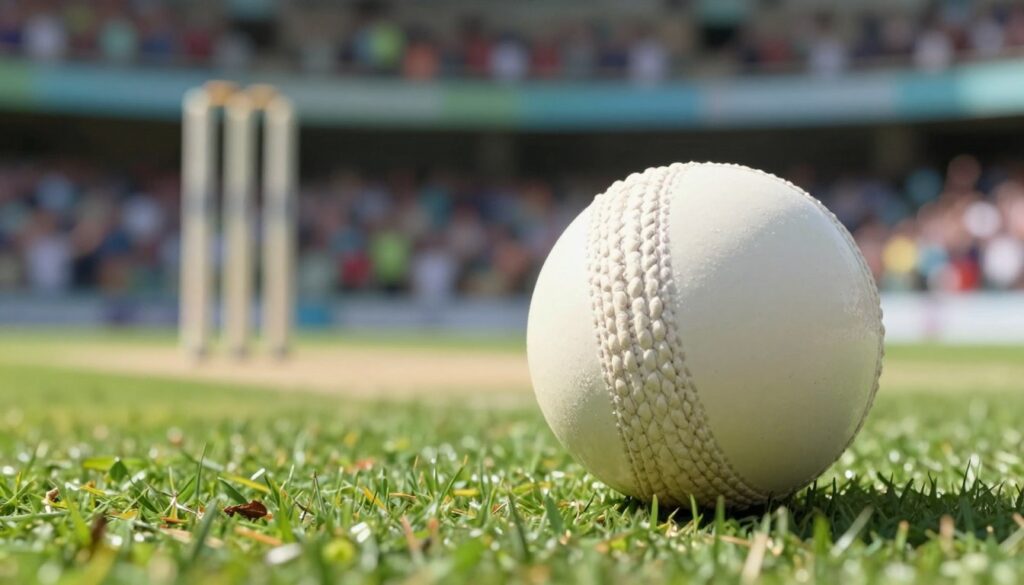
International limited-overs games use a white ball crafted to stay visible under lights. In this world cup, teams play with the Kookaburra white ball, chosen for its shine and consistent performance.
The white ball differs from the red used in test cricket. It helps you follow every delivery during day/night matches. Manufacturers tune these balls so every game feels the same for all teams.
Notice how the ball behaves — it often swings more early on than the red one. That change alters how bowlers and batters approach an over. Fans and players spot the contrast between test matches and limited-overs matches quickly.
Key points:
- The Kookaburra white ball is the official choice for this world cup.
- Visibility under floodlights is the main reason for the ball used in night games.
- The way a white ball swings affects match tactics from the first over.
Anatomy and Manufacturing Standards
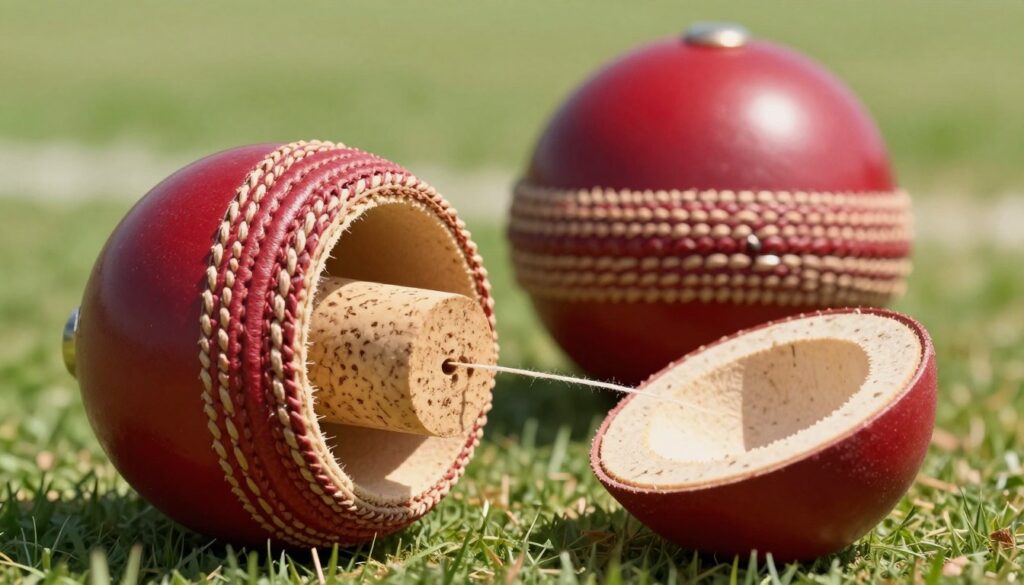
From core to seam, each component must meet precise specs for pro play. Standards like British Standard BS 5993 set the rules that manufacturers follow for size, weight, and performance. This ensures matches stay fair across nations and teams.
Core Composition
The inner core uses a cork centre tightly wound with string. That build gives the ball its bounce and helps it hold shape after repeated hits.
For men, weight must sit between 156 and 163 grams. This rule keeps the feeling consistent for cricketers playing around world at every level.
Seam Construction
Seam quality matters to bowlers and to players who read movement off the pitch. A prominent sewn seam sits under a leather case. Kookaburra, for example, uses machine-stitched outer rows to aid finger grip.
Manufacturers test each ball specific to their brand. They check durability for a set number of overs and validate it for international cricket competition.
Comparing International Standards with Domestic Leagues
Domestic organisers pick balls to match local pitches and tactics. You’ll see different choices between global tournaments and home leagues. International events standardize gear so no team gains an edge. Domestic competitions tune that choice for spin-friendly or fast tracks.
Key brand differences
SG vs Kookaburra: The IPL favours the SG white ball, which has a more raised seam. That seam helps spinners get grip on dry Indian wickets.
Kookaburra is used at many ICC events for consistent swing and a flatter seam profile suited to neutral conditions.
| Brand | Typical use | Notable feature |
|---|---|---|
| SG | Domestic leagues (India) | Raised seam, spin-friendly |
| Kookaburra | International competition | Even wear, consistent bounce |
| Dukes | Test matches (England, West Indies) | Pronounced seam, more swing |
A few historical notes matter. In 1999, a white Dukes trial proved erratic and was dropped. Also, in 50-over games organizers introduce at least four new balls across innings to keep play fair.
How Ball Characteristics Influence T20 Match Dynamics
Small shifts in seam or shine change how you watch and play each over.
Swing and seam movement
Pace bowlers can reach over 160 km/h, making the ball move in the air and off the pitch. Early overs favour movement when the seam is hard and the polish is fresh. Over years commentators have noted swing patterns change, even when the manufacturer stays the same.
Visibility under floodlights
Organizers use a white ball for day/night matches so you can follow every delivery. A new ball at the start of each innings keeps visibility and performance high for bowlers.
Impact on batting performance
The Kookaburra tends to smooth faster. Once the shine fades, batters find scoring easier and totals climb. That contrast explains why many limited-overs games show higher scores than long test matches.
| Characteristic | Effect on play | Why it matters |
|---|---|---|
| Seam condition | More swing early | Helps bowlers in first overs |
| Shine level | Smooth = easier to hit | Affects scoring after few overs |
| Visibility | White preferred under lights | Keeps game clear for players and fans |
Maintenance and Regulatory Laws for Professional Play
A ball’s legal condition shapes tactics and can swing momentum in key overs. You should know the rules that keep play fair at every level.
Umpires monitor the match ball closely. They check condition and enforce limits on what players may do. The ICC bans tampering. Picking at the seam or scuffing the surface is illegal.
Since March 2022, saliva is permanently banned. You may only use sweat to polish a ball. If a ball is lost or damaged, officials replace it with a used ball of similar condition to keep the innings fair.
- Test rule: a captain may ask for a new ball after 80 overs.
- Penalties: cricketers face fines and a 5-run penalty for illegal modification.
- Team role: maintaining cricket balls is a constant team effort during play.
“Players must follow the laws to protect the integrity of the game.”
The way a ball wears over many overs affects movement through the air. That natural change alters tactics and keeps the action unpredictable for years to come.
Conclusion
Note, a single delivery can tilt momentum fast. You’ll spot how equipment shapes tactics from the first ball to the last over.
The Kookaburra white ball remains the standard at the world cup, giving consistent feel across matches. That choice helps players adapt quickly and keeps play fair for every innings.
From core makeup to seam work, regulations keep cricket balls reliable. Whether a new ball starts an innings or a worn one appears after many overs, the ball guides strategy and pace of the game.
Use these points next time you watch a match. You’ll read action with more insight and enjoy the skill on display.