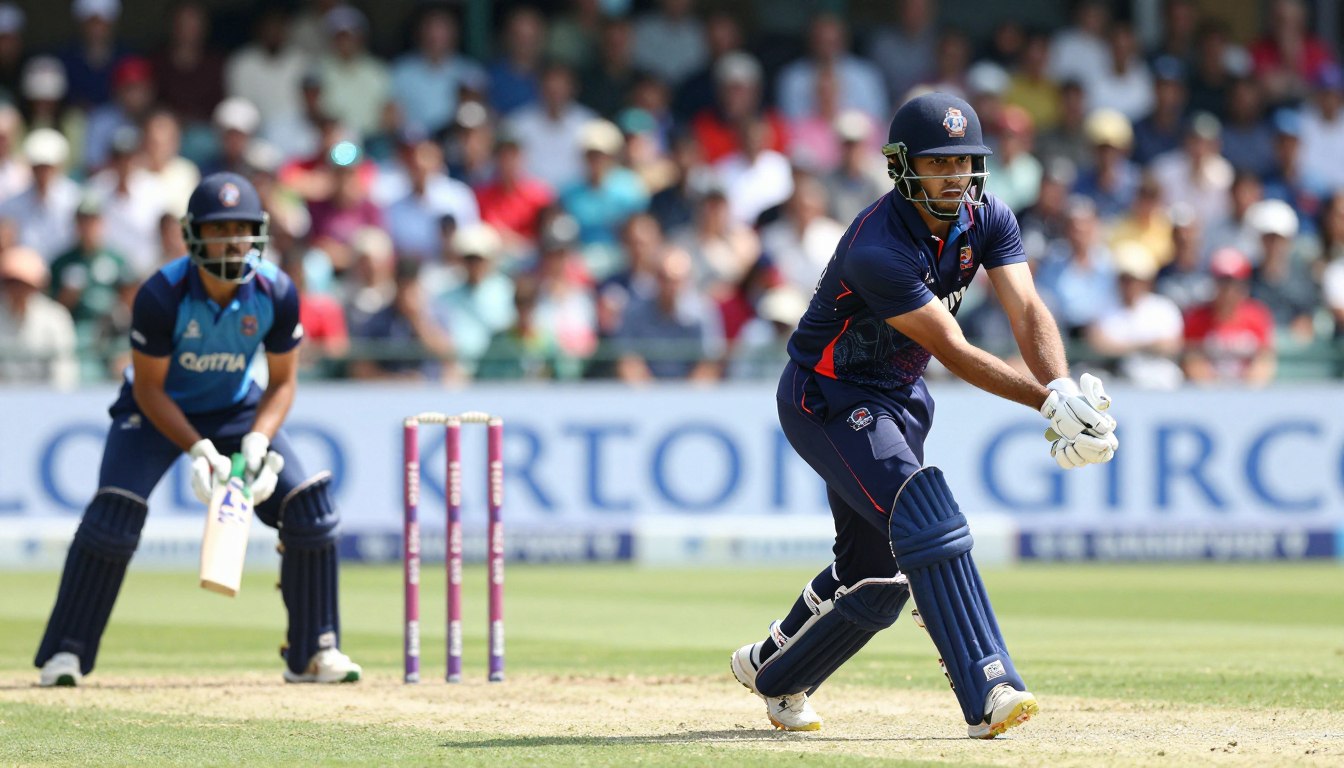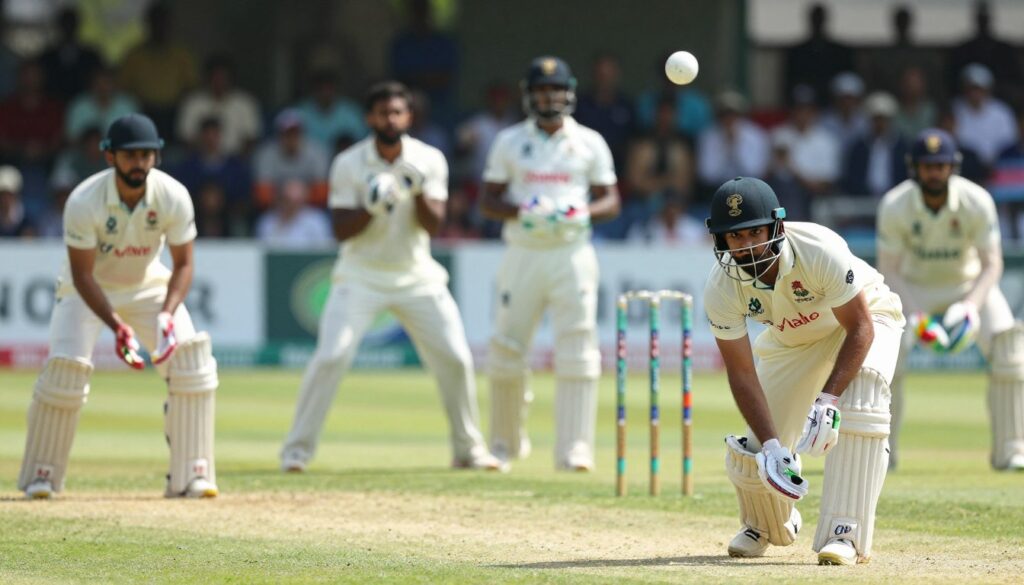
Surprising fact: over 60% of matches at club level turn on a single delivery that changes the game’s flow.
If you’re learning how to control the ball, this guide gets you started fast. You will find clear steps to practice and simple cues to improve your release and line.
Whether you’re new or seasoned, focus on grip, run-up, and wrist work. These basics build consistency and make skill drills feel useful on match day.
We break down key principles used by pro players and show practical drills you can try during nets in India. Expect short, focused tips that help you gain confidence and test your skills against any batter.
Key Takeaways
- Master grip and release to control pace and swing.
- Use a repeatable run-up for consistent delivery.
- Practice short drills that simulate match pressure.
- Focus on wrist and seam position for movement off the pitch.
- Build confidence with small, regular training sessions.
Understanding the Fundamentals of Cricket Bowling
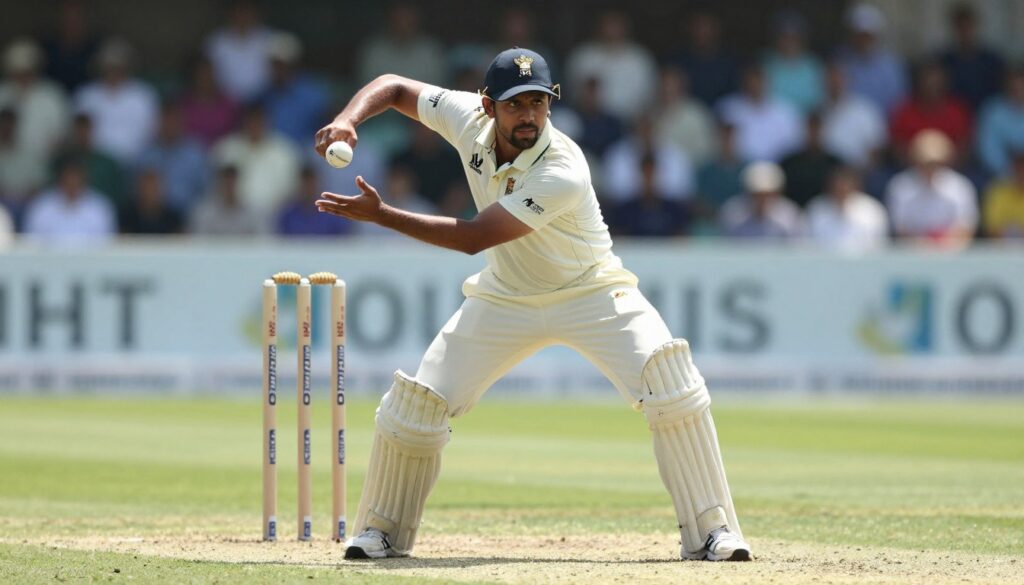
Focus on core skills early; they turn raw pace into consistent match impact. Start by mastering grip, run-up, and wrist alignment. These basics help you repeat good deliveries under pressure.
Coach Adam Bannon highlights two main types: seam/pace and spin. Learn both at a basic level so you can read conditions and pick a plan during a game.
Legends like Sir Curtly Ambrose, Dale Steyn, Glenn McGrath, Jasprit Bumrah, and Jimmy Anderson built habits through hard work. Copy that attitude: small, regular drills beat occasional long sessions.
“Mastering the basics of cricket bowling is the first step toward becoming a formidable player in the world.”
- Focus on repeatable action for consistent line and length.
- Use short, targeted practice to sharpen skills on each side of the pitch.
- Apply simple bowling tips that emphasize control over wild pace.
| Skill | Seam/Pace Focus | Spin Focus |
|---|---|---|
| Grip | Straight seam, firm hold | Finger or wrist control |
| Practice Drill | Targeted short runs, accuracy nets | Slow flight and turn drills |
| Match Goal | Extract bounce and seam movement | Generate rotation and deception |
What Are the Common Bowling Techniques in Cricket?
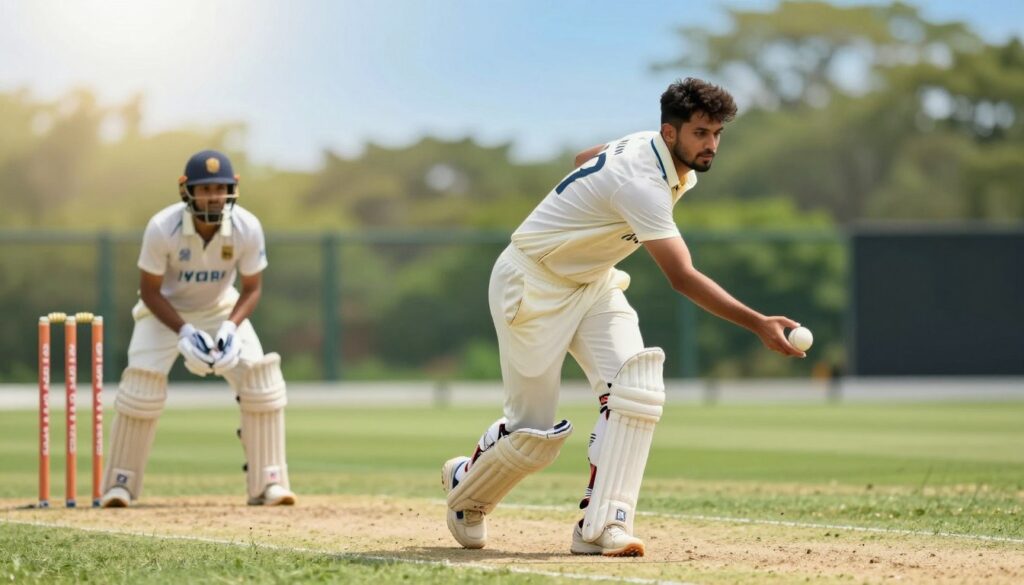
Two distinct styles — speed with seam and rotation with fingers — shape how you set a field.
Pace and Seam
Pace bowling sends the ball down fast to test a batsman’s reflexes. A quick delivery often exceeds 70 mph and uses speed to create movement in the air.
Seam position matters here. How the seam sits on release changes bounce and swing after it hits the pitch.
Spin
Spin relies on rotation. You use fingers or wrist to make the ball turn. This part of the game is vital when facing a skilled batsman.
Finger spin and wrist spin use different grips. Each alters the revolutions and the expected turn off the surface.
- High speed helps pace bowlers force mistakes with a single delivery.
- Seam placement and finger position shape trajectory and swing.
- Knowing both styles lets you adapt by side and batsmen faced.
| Type | Key focus | Typical goal |
|---|---|---|
| Pace | Speed, seam | Beat batsman with pace |
| Spin | Fingers, rotation | Induce mistake with turn |
Tip: blend both styles in nets to see how each bowl performs against different batsmen and pitch conditions.
Mastering the Fast Bowling Grip
Nailing your hold on the ball is the quickest way to improve late movement and accuracy. Start with a simple, repeatable hand setup so you can trust your release during pressure overs.
Grip basics: place your index and middle finger along the seam. Let the ball sit snug in your hand so it does not slip when you run in.
Straight Seam vs Cross Seam
A straight seam helps you get lateral swing toward or away from a batsman. Keep the seam upright and the middle finger guiding the seam at release.
A cross seam is held so the seam lies across your fingers. Use it for extra bounce or surprise on a hard pitch. It can be a smart way to force a mistake.
- Finger seam control dictates movement through the air.
- Align your body, leg, and arm so the ball heads to your chosen side.
- Practice both grips to make the batsman guess your next bowl.
| Grip | Effect | When to use |
|---|---|---|
| Straight seam | Swing, lateral movement | Cloudy or green pitches |
| Cross seam | Extra bounce, surprise | Hard, dry wickets |
| Finger seam | Control flight | All match phases |
Perfecting Your Run-up and Momentum
A steady approach to the crease sets the stage for more pace and cleaner releases.
Aim for a consistent run of seven to ten steps. This range helps you generate momentum while staying balanced.
Coordinate your body, shoulder, and leg so energy flows into the delivery. Small timing tweaks here change the amount of speed you create.
Keep your hand and weight balanced as you run toward the crease. That balance preserves speed and helps with control during long spells.
- Consistency: repeat the same steps each over to build rhythm.
- Alignment: point your shoulders and hips toward the target.
- Transfer: let your legs drive weight into a stable front stride.
Refine your approach to ensure your body is poised to release with maximum power and accuracy. Proper momentum is what separates casual swingers from the fast bowlers the world admires.
The Mechanics of a Successful Delivery
A repeatable action starts with a strong front arm that drives energy into each delivery. Use that arm as a lever to generate momentum toward your target.
The Role of the Front Arm
Your front arm points to the target and creates balance. Keep it high through the run so weight moves forward and speed builds. This helps the ball carry with accuracy to the batsman.
Wrist Snap and Release
To hold ball correctly, set your fingers and middle finger along the seam. A crisp wrist snap at release adds pace and late movement.
“A precise release beats raw effort every time.”
The Importance of Follow Through
Finish your action so body, leg, and hand move together. A proper follow through reduces stress on your shoulder and cuts risk of injuries.
Focus on the way you release to keep your bowling action consistent. Small tweaks to grip and position of the finger seam can lift speed and improve accuracy.
Advanced Swing and Seam Movement
Advanced swing depends on tiny seam tweaks and a clean release that bends the flight late.
Seam placement controls airflow. Set seam tilt and keep one side shiny so air moves unevenly around the ball. This creates late swing that fools a batsman.
Adjust your grip and finger pressure to change that movement. Small shifts at release alter the path and speed a lot.
- Body and arm alignment: point toward your target so the delivery keeps its line and speed.
- Run and timing: a steady run lets you hit the right release position every time.
- Intent: plan each bowl. Use the seam to force a mistake from batsmen on either side.
| Focus | Action | Match use |
|---|---|---|
| Seam | Angle seam, polish one side | Create late swing |
| Grip & release | Adjust finger pressure | Change movement subtly |
| Run & body | Align hips and arm | Maintain speed and line |
Strategic Variations for Different Match Situations
Smart change-ups win overs by breaking a batter’s timing and rhythm.
Use variety to remain useful when conditions shift. Top bowlers around the world mix pace and position to keep batsmen guessing. Small shifts force a batter to mis-time shots.
Utilizing Slower Balls
Slower balls are a go-to variation when you need control. A well-disguised slower ball looks like a fast delivery until release. That disguise makes a set batsman play early and miss.
Grip and release decide success. Hold the ball so seam sits like a regular fast delivery. Use your fingers and wrist to cut speed while keeping line and accuracy.
- Change run length slightly so approach looks normal but speed drops.
- Keep seam upright when you can; subtle seam tilt adds late movement.
- Mix slower deliveries with full pace to prevent prediction.
“A single well-timed slower ball can reroute an over and win key moments.”
Essential Fitness and Strength Training for Bowlers
Build a routine that primes your core and legs so you can bowl with confidence every over.
Fitness matters more than raw pace. Fast bowlers need steady cardio. Aim for about 150 minutes of moderate activity each week. This keeps your run steady and supports a repeatable bowling action.
Strength work should focus on core, legs, and shoulder. A strong core stabilizes your body and protects your lower back. Strong legs drive momentum into the delivery. Shoulder and arm conditioning cut risk of injuries.
Core and Stability Exercises
Do planks, anti-rotation holds, and single-leg balance drills. These lift control over your hand and body at release. Short sessions three times a week work well.
Lower Body Conditioning
Include squats, lunges, and plyometric hops. These moves boost speed and help you bowl the ball with consistent momentum. Train legs twice weekly to keep weight transfer efficient.
- Cardio: 150 minutes weekly to support long spells.
- Hydration: men should target about 15.5 cups daily for recovery.
- Strength: build core, leg, shoulder to sustain pace and reduce injuries.
| Focus | Exercise | Goal |
|---|---|---|
| Core | Planks, Pallof press | Stability at release |
| Legs | Squats, lunges, hops | Drive momentum, maintain speed |
| Shoulder | Rotator cuff work, band pulls | Prevent injuries, protect arm |
Developing the Mental Toughness Required for Success
Mental strength comes from steady reps and simple routines that hold up under pressure. Hard work and regular practice let you trust your run, release, and action when a match tightens.
Stay composed when you face top batsman in the world. Trust your bowling tips and the habits you built in nets. That calm keeps your arm and hand relaxed so accuracy holds up.
Handling stress reduces risk of injuries. Keep your body, shoulder, and leg loose while your mind stays sharp. This balance preserves pace and momentum across every side of the pitch.
Simple routines before a delivery can steady your focus. Use breathing, a short visual cue, and a fixed run length to make each bowl repeatable.
- Practice pressure drills to simulate a tight game.
- Keep weight transfer consistent to protect your shoulder and leg.
- Review one clear aim for each delivery to sharpen accuracy and swing intent.
“When stress rises, let training carry you—hard work builds the confidence to bowl with control.”
| Focus | Action | Benefit |
|---|---|---|
| Mental routine | Breath + cue | Sharper release |
| Physical calm | Relax shoulder, arm | Fewer injuries |
| Practice | Match-like reps | Trust under pressure |
Conclusion
A focused routine turns basic drills into reliable match tools.
Practice smart. Master grip, run-up, and delivery to gain control of the ball. Repeat short drills that mimic match moments. Keep your seam steady at release so movement is consistent.
Build fitness for better speed and a durable body. Watch your weight and hydrate well. These habits cut fatigue and lower the risk of injuries.
Trust small gains. Train with intent and you will bowl with more accuracy and confidence. Use these steps to make each ball count and lift your cricket performance in every game.