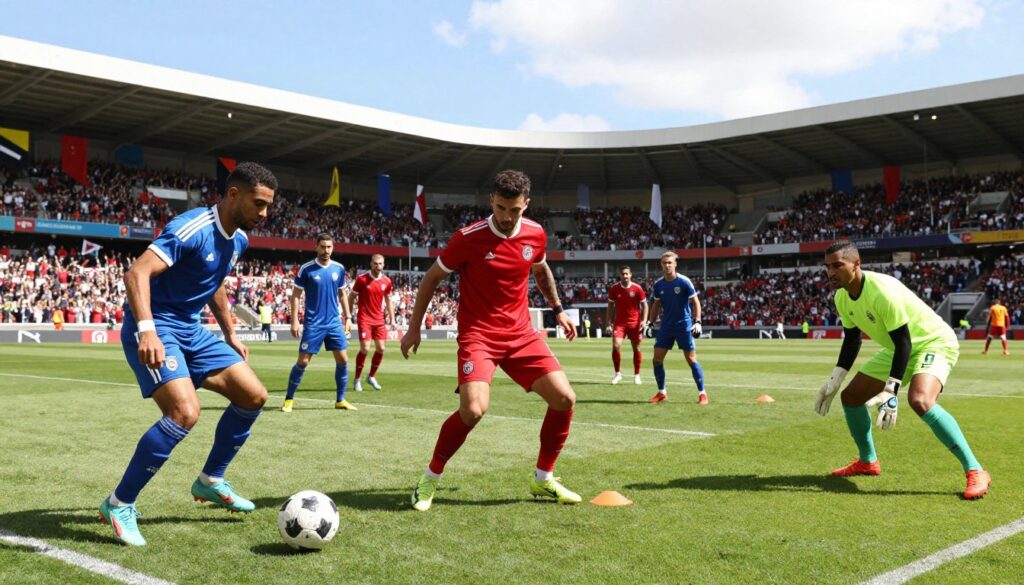
Could one number explain the global reach of your favorite sport? This question frames a big report that tracks participation from street games to elite clubs. You’ll see clear data and simple examples that make the scale easy to grasp.
You get a snapshot of the total count and what it means for leagues, teams, and countries. Our analysis starts with a key figure: an estimated 250 million association football players worldwide.
The report breaks down who is active at every level. It covers amateur teams, professional football and professional soccer, and the link between clubs and national leagues. This short intro sets the scene for detailed data that follows.
Key Takeaways
- About 250 million people play association football globally.
- The analysis spans amateur to professional levels.
- Clubs and leagues drive participation across countries.
- Data helps fans and researchers understand player totals.
- The report highlights the sport’s vast, ongoing growth.
How Many Football Players in the World Right Now?
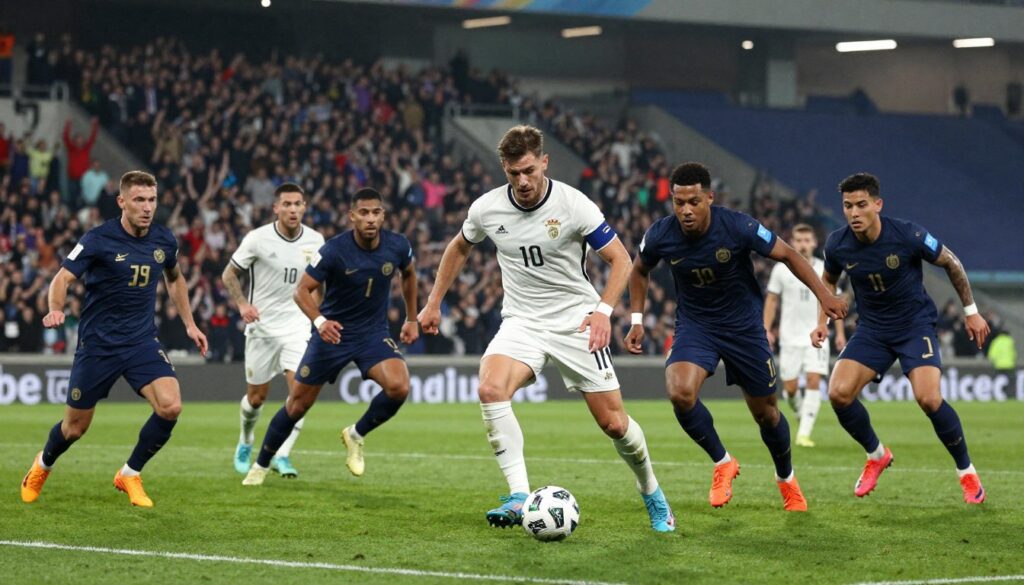
You’re looking at the professional layer to understand the sport’s footprint. As of 2023, about 130,000 professional male footballers are active worldwide. That number gives you a concrete sense of formal, paid participation.
This report also notes 128,694 professional players representing 135 countries. Those figures show how clubs and leagues span continents and link local talent to large competitions.
When you follow the total of soccer players, you see a massive industry. Thousands of clubs and many leagues support career paths that often start in youth academies.
- 130,000 approx. active pros (2023).
- 128,694 pros registered across 135 countries.
- Clubs and leagues shape annual player movement and national squads.
| Metric | Count | Example Insight |
|---|---|---|
| Active professional male players | ~130,000 | Reflects global pro contracts across leagues |
| Registered professionals | 128,694 | Spread across 135 countries |
| Supporting clubs | Thousands | Provide development and competitive opportunities |
| Annual snapshot | Yearly data | Shows player movement between club and country |
Defining the Global Player Population
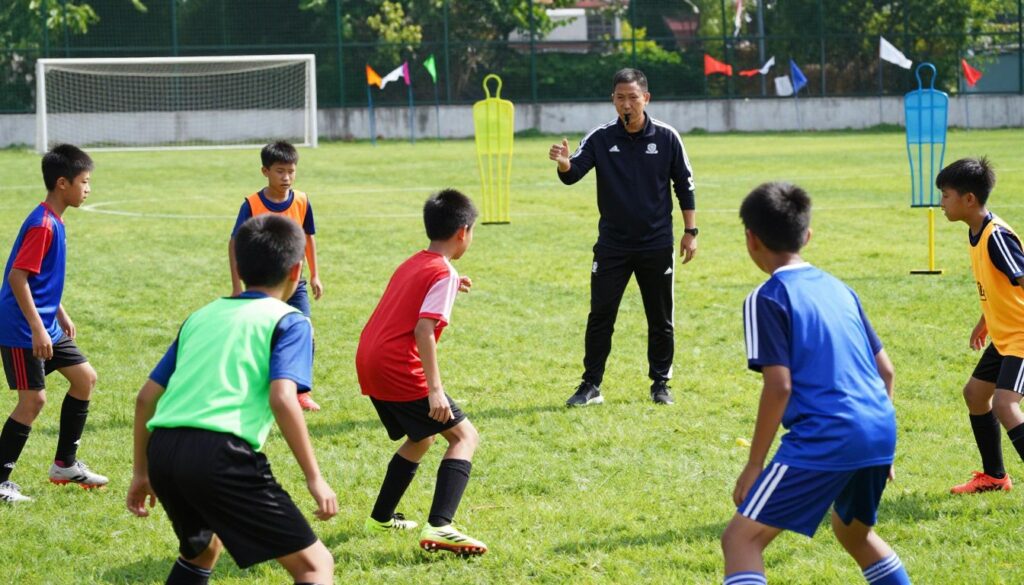
Defining who counts as part of the global player pool helps you see how talent flows from streets to stadiums. This section separates formal professionals from casual participants and shows how development systems feed higher levels.
Professional vs. Amateur Dynamics
Most pro careers begin at local clubs and youth teams. Young footballers start as amateurs and learn basic skills there.
Scouts watch youth matches and offer trials or contracts to promising talent. The move from amateur to professional is a key level that shapes many careers.
The Role of Youth Academies
Youth academies provide coaching, education, and structured competition. Associations and club systems across countries invest in these academies to spot the next generation.
The pipeline keeps leagues stocked with trained talent and helps soccer players progress from local play to national squads and pro clubs.
- Most professional players start in youth teams before a contract.
- Transition from amateur to pro is a defining career level.
- Academies sustain the long-term health of the sport.
| Stage | Typical Path | Outcome |
|---|---|---|
| Amateur | Local teams, school, street play | Skill-building, exposure |
| Youth academy | Coaching, trials, scouting | Pro contracts, scholarships |
| Professional | Club roster, league matches | Career, transfers, national selection |
Regional Concentration and Talent Production
Certain countries act as production hubs, turning local passion into professional careers. Regional patterns show how leagues, clubs, and associations combine to create repeating talent pipelines.
European and Latin American Hubs
Mexico leads with 9,464 professional players. That number reflects a deep soccer culture and many competitive teams.
Spain follows with 8,560 pros. Spain’s system shows how a developed country keeps steady talent output through strong academies and club networks.
- These concentrations show how certain countries dominate talent production at each level.
- Established leagues and clubs create more opportunities for soccer players to turn pro.
- Differences across countries explain why player production is uneven worldwide.
| Country | Pro players | Insight |
|---|---|---|
| Mexico | 9,464 | Strong domestic leagues and extensive club networks |
| Spain | 8,560 | Highly developed academies and cross-club scouting |
| Other regions | Varies | Infrastructure and investment drive output |
Financial Disparities Across Professional Leagues
Wage differences tell a clear story about league power and player opportunity. Top-tier contracts pull talent toward wealthier competitions. That shapes where athletes move and how careers unfold.
Premier League players average about $3 million per year. By contrast, NWSL women earn roughly $54,000 per year. Those figures show a large gap between elite men’s clubs and other sectors of the sport.
Our report notes 3,986 clubs worldwide. Each club manages budgets that affect wages, training, and staff. Club revenue links directly to how many pros a roster can support.
- Economic structure of each league affects signing power.
- The country where you play often dictates earning potential.
- These realities influence career moves for many footballers.
| Metric | Value | Impact |
|---|---|---|
| Average Premier League salary | $3,000,000 / year | Attracts top global talent |
| Average NWSL salary (women) | $54,000 / year | Limits retention and growth |
| Clubs worldwide | 3,986 | Drive development and opportunity |
Physical Demands and Health Risks
Physical strain and acute injuries shape many careers at every level of play. You should know the most common causes and what they mean for a player’s future.
Trauma accounts for 81.5% of injuries, while 18.5% come from overuse. Muscle problems make up about 19% of all injuries in soccer. Many of those affect the thigh and hamper match availability.
Common Injury Patterns
Contact and sudden movements drive most harm. That leads to sprains, strains, and fractures.
- Trauma is the leading cause during a season.
- Muscle injuries often follow intense training or heavy match loads.
- Teams must monitor workload to reduce overuse risks.
The Impact of Heading the Ball
Research links repeated heading with long-term brain concerns. At the association level, clubs and medical staff increasingly limit high-risk drills for younger players.
Long-term Joint Health
Years of high-intensity playing can lead to early joint wear. Retired footballers often face chronic issues that need ongoing care.
| Issue | Share | Typical area |
|---|---|---|
| Trauma injuries | 81.5% | Varied (contact) |
| Overuse injuries | 18.5% | Tendons, muscles |
| Muscle injuries | 19% | Thigh region |
The Impact of Club Licensing on Player Development
Club licensing now sets clear standards that shape how talent moves through local development systems. This move is visible across most associations and helps you see why some countries produce more pros.
Today, 88% of FIFA Member Associations have licensing rules. Those rules aim to boost transparency and professionalism at club level.
Of those, 91% run national club licensing systems that tie governance to funding and youth care. That setup gives clubs a stable base to develop players and to meet minimum training and welfare standards.
Better standards mean better coaching, safer facilities, and clearer pathways. Leagues that require licensing tend to create more consistent support for football players across every level.
- Licensing raises operational standards for clubs and associations.
- Countries that adopt systems nurture talent more effectively.
- Players benefit from safer, more professional development environments.
| Metric | Share | Impact |
|---|---|---|
| FIFA associations with rules | 88% | Greater transparency and club governance |
| Associations with national systems | 91% | Improved youth development and retention |
| Operational standard | Mandatory | Consistent support across league and club |
Longevity and Mortality Factors in the Sport
Longevity for athletes depends on more than talent: health checks and workload matter just as much. You should know the main risks that affect a pro life span.
Cardiac Health and Professional Careers
Cardiac issues are a major concern. Research from 2007 to 2013 found that 33% of deaths among professional footballers were due to heart-related causes.
This finding shows why regular screening matters. Positions on the field can change long-term risk. Some roles demand higher bursts of effort. That can affect heart strain over years.
Association medical teams now push for ongoing checks. Clubs and leagues must track heart health from youth to retirement. You, as a fan or participant, should expect clear protocols.
These studies also stress monitoring for retired athletes. The link between a pro career and life expectancy is complex. It needs continuous research and better medical follow-up.
- 33% of pro deaths (2007–2013) tied to cardiac causes.
- Position and workload influence long-term outcomes.
- Regular assessments protect current and former players.
| Issue | Evidence | Action |
|---|---|---|
| Cardiac deaths | 33% (2007–2013) | Routine cardiac screening |
| Position risk | Varies by role | Tailored monitoring |
| Career impact | Complex association | Long-term follow-up |
Conclusion
strong, Here we sum the main figures and the trends that shape careers across nations.
You now see a clear number: about 130,000 professional players spread across 135 countries. This snapshot links clubs, leagues, and talent pipelines to wider sport growth.
Examples such as Mexico and Spain show how focused development raises totals. Expansion of women’s leagues and stronger club licensing will boost professional soccer and professional football opportunities.
Better data and improved health checks matter for every association and club. With steady investment and smart policy, the future for football players looks brighter year after year.