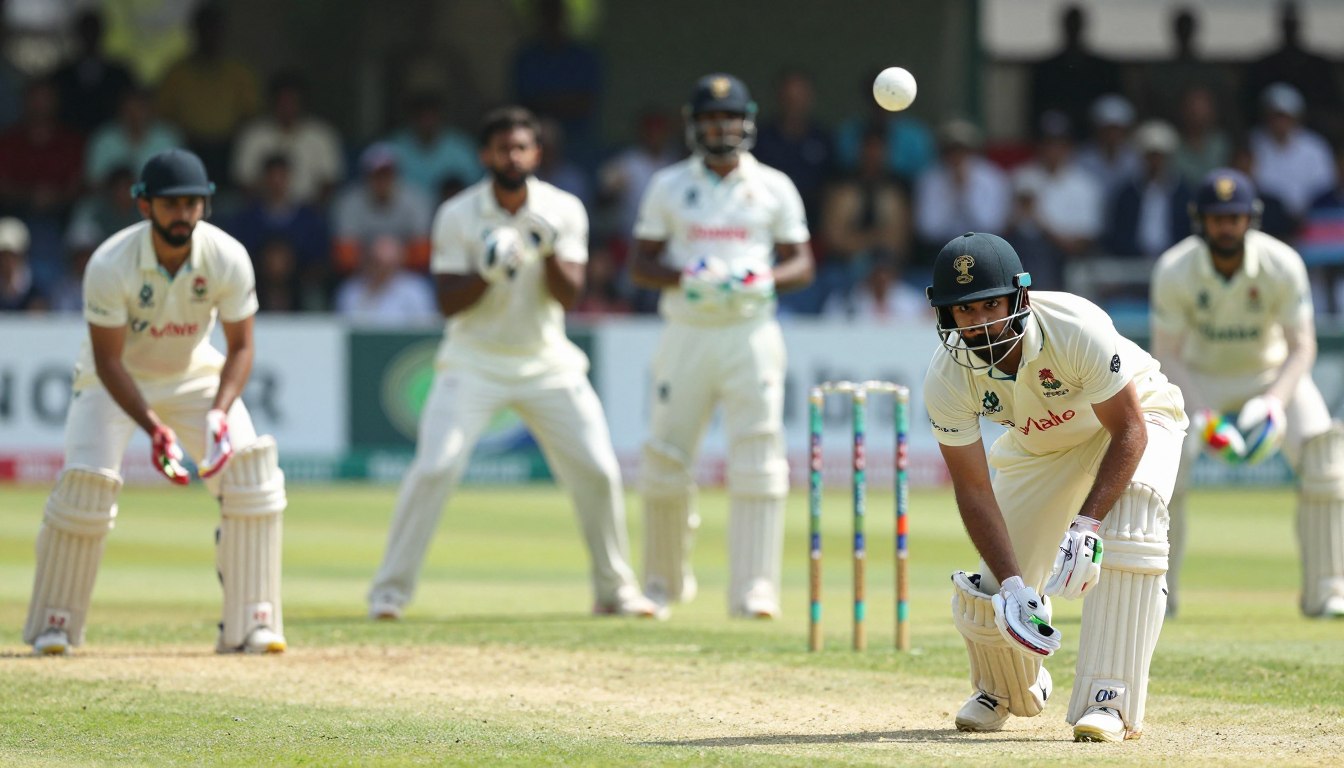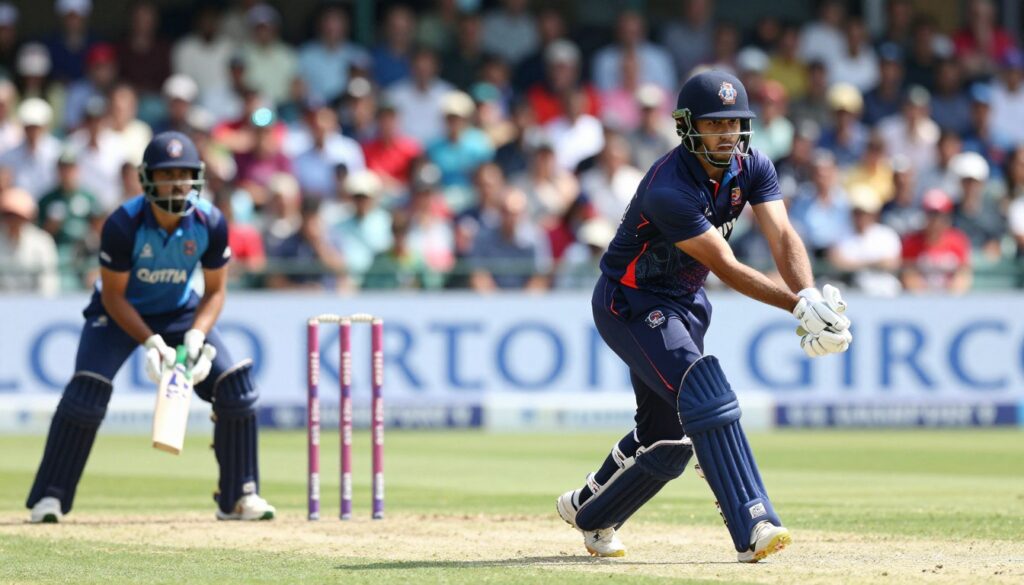
Can a single delivery change the course of a match? That is the thrill at the heart of fast bowling.
The cricket ball is a simple object. Yet it holds endless secrets for the bowler who studies swing, seam and pace. Watching elite fast bowlers can make you wonder which skills separate good players from great ones.
Mastering different techniques matters more than raw speed. Grip, release and the way you use the side of the ball shape every delivery. You learn to read pitch and air, and then shape the ball to deceive batters.
ZAP offers practical guidance for pacers and seamers. This guide previews the deliveries you will meet on the field — from yorker to reverse swing — and shows why variety keeps you competitive in modern matches.
Key Takeaways
- Variety in bowling skills wins matches more often than sheer speed.
- Grip and release control swing bowling and seam movement.
- The cricket ball’s side and condition enable reverse swing and seam effects.
- Practice run-up and delivery stride to keep pace and accuracy consistent.
- Knowing pitch and air conditions helps you choose the right delivery.
- Developing multiple techniques makes you a more versatile fast bowler.
Understanding the Mechanics of Fast Bowling
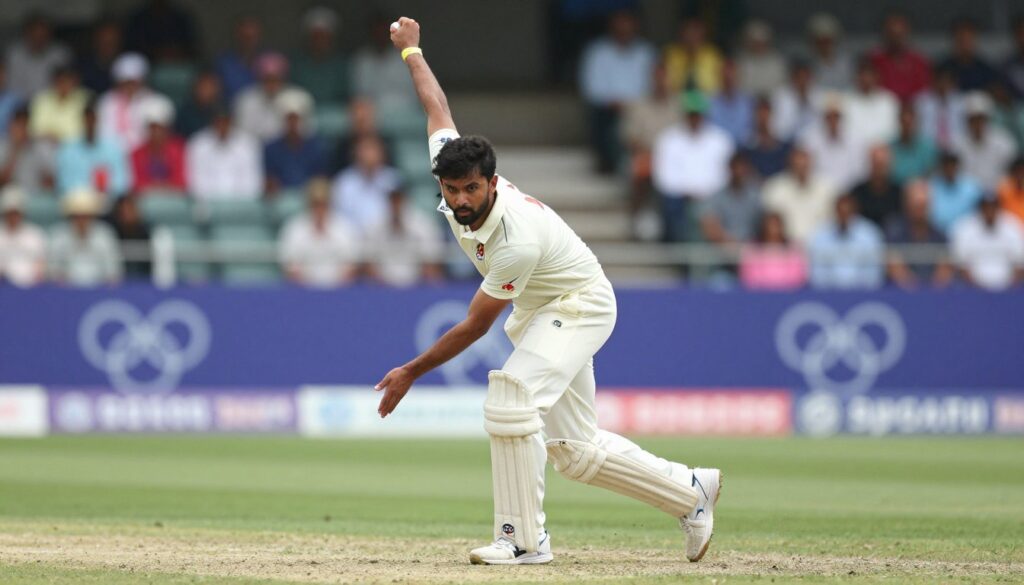
Every step toward the crease builds energy that transfers into the ball. Your run-up and body alignment create the momentum you need to generate pace and late movement.
The Role of Run-up and Momentum
Your run-up should be long and controlled. It helps you convert horizontal speed into rotational power through your shoulders and core. A steady approach also reduces injury risk and keeps your action repeatable between overs.
Biomechanics of the Delivery
Keep your arm straight through release to meet the 15-degree rule used in international play. Use shoulder rotation and core drive to push the ball out at higher speed without relying on illegal elbow flex.
Grip and seam position at release shape the ball’s direction in air and off the pitch. Focus on a clean follow-through so you stay balanced and ready to field.
Refining these basics improves pace, accuracy, and longevity. Work on a repeatable action that protects your back, knees and shoulders while giving batters less time to react.
how many types of fast bowling are there in cricket ?
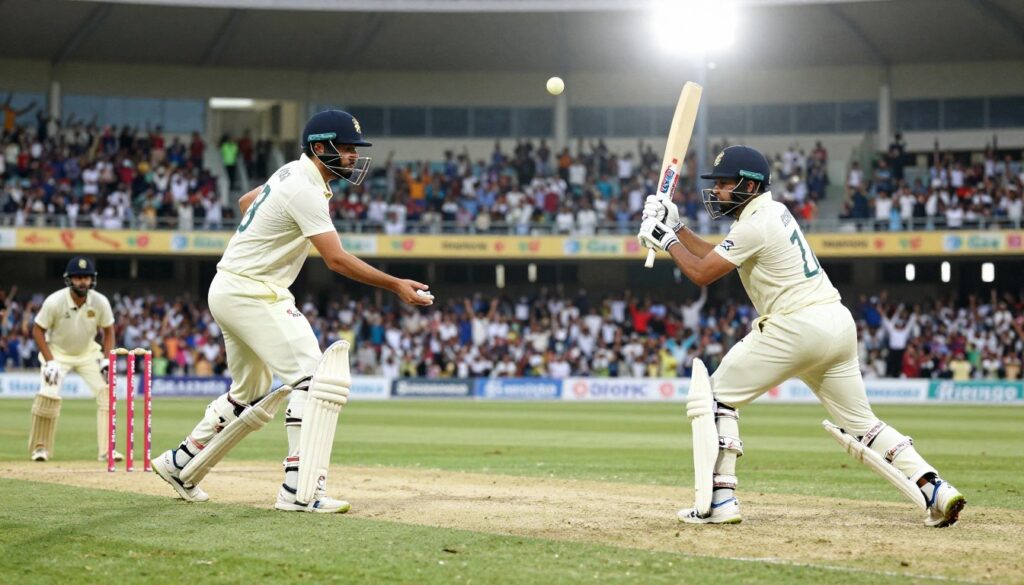
A bowler’s toolkit holds a surprising range of deliveries that bend speed and direction. You’re watching pace, seam and subtle change-ups work together. Great fast bowlers mix speed with movement to force errors from batters.
Know the big categories: swing bowling and seam work in the air and off the pitch. Spin bowling is the other main discipline, requiring different grip and body prep.
Common attacking balls include the bouncer, the yorker and the slower ball. Each delivery targets a different weakness and tests timing, footwork and judgment.
- Use seam position to create late deviation off the pitch.
- Use swing to curve the ball through the air toward stumps.
- Adjust line and length based on pitch and batter tendencies.
Practice these techniques regularly. With steady work, you’ll read conditions better and vary pace and direction to win more battles in the game.
Mastering the Art of Swing Bowling
Swing relies on small differences across the ball’s surface and a bowler’s precise wrist work. You learn to shape air and seam to force the batter into errors.
Outswing Techniques
To bowl an outswinger, angle the seam toward the slips and keep the shiny side away from the batter. A steady wrist at 20-30 degrees helps the ball move away from right-handed batters.
Inswing Fundamentals
An inswinger curves into the batter and attacks stumps or pads. Hold the seam upright, point it slightly toward leg, and keep your release compact. This makes the ball nip back late and threatens LBW chances.
The Science of Reverse Swing
Reverse swing appears when the cricket ball ages—usually after 30-35 overs. One side stays polished while the other roughens.
Wasim Akram and Waqar Younis showed how devastating reverse swing can be. The ball then darts in the opposite direction to conventional swing and fools batters with late movement.
- Polish one side and let the other wear naturally.
- Keep seam position and wrist consistent to control swing.
- Practice patience; maintaining the ball’s condition is a skill in itself.
The Role of Seam Movement in Pace
Seam movement gives the ball a late bite that can undo a batter’s defense.
Seam movement happens after the delivery hits the pitch. Unlike swing bowling, which bends the ball in the air, seam work shows once the ball contacts the surface.
A green, grassy pitch acts like a trampoline. It grips the seam and magnifies lateral movement. That extra bounce can surprise batters and change direction off the pitch.
You create seam by keeping an upright seam at release. This helps the ball grip and steer away or into the batter. Adjust your line and length to exploit the pitch.
- Seam relies on the stitching biting into the surface.
- Pitch conditions decide how much lateral movement you get.
- Combine seam with reverse swing to trouble batters in long matches.
| Condition | Effect on seam | Bowler action |
|---|---|---|
| Green, grassy pitch | High grip and bounce | Keep seam upright; hit good lengths |
| Dry, abrasive pitch | Less lateral, more variable bounce | Use pace and subtle seam angles |
| Aged surface | Combine reverse movement and seam | Polish one side; target hard areas |
Intimidation Tactics with Short Pitched Deliveries
A well-directed short ball forces quick decisions and often wins the psychological edge. Use it to unsettle batters and control momentum in the game.
Strategic Use of the Bouncer
The bouncer is a short-pitched delivery aimed at the batter’s head or chest to force a mistake. Legends like Malcolm Marshall, Curtly Ambrose, Andy Roberts, Shoaib Akhtar, Mitchell Johnson, and Brett Lee used it to great effect.
Use the bouncer sparingly and with purpose. Push the batter back in the crease to break timing. Vary your length so batters cannot predict whether the next ball will rise or stay low.
- Well-placed short balls can produce top edges for catches behind the wicket.
- Control pace and seam to ensure the ball rises to the intended height.
- Remember international limits on bouncers per over and play within the rules.
Practice to make the bouncer a reliable tool. It is not only about raw speed; it is about creating pressure and forcing errors.
| Goal | Execution | Risk |
|---|---|---|
| Push batter back | Short length, 145-150 kph pace, upright wrist | Too full invites a pull or lofted drive |
| Induce top edge | Short, rising line targeting chest/helmet region | Can be left alone or defelected for runs |
| Psychological pressure | Mix bouncers with fuller deliveries and slower balls | Overuse reduces surprise and may breach rules |
Precision Bowling with the Yorker
Landing a ball at the batter’s toes demands calm, rhythm and absolute control.
The yorker is the deadliest delivery during the death overs. You aim the ball at the base of the stumps or the batter’s toes to prevent easy runs.
To execute it, hold the ball with your index and middle fingers on either side of the seam. This grip gives you control over seam position and helps the ball dart true at pace.
Precision beats pure speed. Even a slight miss in length turns a yorker into a full toss and hands the batter a scoring chance.
- Focus on a fixed point on the pitch—crease line or toes—to improve accuracy.
- Practice muscle memory with consistent run-ups and release points.
- Use the yorker with other deliveries so batters cannot predict your line or swing.
Mastering this delivery raises your value as a bowler in Indian conditions. Keep practicing and you will own the final overs.
Deceiving Batters with Slower Ball Variations
A well-disguised change in pace can freeze a batter just as they set their feet. The slower ball is your secret to breaking timing without losing control.
Keep arm action consistent. If your arm speed matches your stock delivery, batters trust their read and mis-time the shot. Practice this until it becomes natural.
Back of the Hand Delivery
The back of the hand delivery asks you to twist the wrist at release. That twist cuts speed while keeping the same run-up and action. It takes many hours to disguise it well.
The Knuckle Ball
Zaheer Khan popularized the knuckleball in India. The grip uses the knuckles so the ball spins less. With fewer revolutions the ball dips and confuses the batter, especially in death overs.
- The slower ball helps bowlers deceive timing and land dot balls.
- Use a knuckle grip or subtle wrist change to reduce spin and cause unpredictable flight.
- Practice these deliveries to mix with swing and seam and keep batters guessing.
Advanced Techniques for Cutting the Ball
Dragging your fingers down the seam can turn a straight delivery into a sharp weapon. This move gives the ball sideways spin at release and fools batters who expect pure speed or swing.
Off cutters move from the off side toward leg. Use them to trap right-handed batters lbw or hit pads. Leg cutters do the opposite and can nick edges to slips.
Choose cutters on dry, abrasive pitch surfaces. The worn surface lets the seam grip and the ball turn sharply. Advanced bowlers mix cutters with seam work and spin bowling skills to add variety.
- Vary grip and finger drag to change the ball’s turn.
- Keep your follow-through consistent to avoid telegraphing the move.
- Use cutters when the ball is old and swing has faded.
Practice builds the precise finger action needed. Mastering cutters marks a bowler who knows how to use the pitch and the ball to control the contest.
Tactical Considerations for Different Pitch Conditions
Pitch texture dictates which deliveries will bite, skid or turn under match pressure. Read the surface at the toss and after the first over to set your plan.
Assess abrasiveness. A scuffed, dry pitch rewards cutters and spin bowling. A green surface favors seam and swing bowling and gives extra bounce.
Adapting to Surface Abrasiveness
If the pitch is abrasive: use cutters and spin bowling to extract turn. The worn side of the ball helps produce reverse swing late in the innings.
- Adjust line and length based on bounce and pace the pitch offers.
- Save yorker for flat tracks where movement is minimal; it still wins wickets.
- Mix a slower ball with seam and short balls on slow, turning pitches to beat the batter’s timing.
Every bowler must learn to make the ball work for them. Read the pitch and change tactics mid-innings to stay ahead in matches.
Conclusion
The best bowlers win by using variety and reading conditions, not just raw speed. Keep practicing swing, seam work and the slower ball so each delivery has a purpose.
Master basics—grip, run-up and release—and polish skills that help you adapt to pitch and weather. Learn to use reverse swing late in an innings and blend it with seam plans.
Mix in cutters and use spin bowling awareness to set traps from the side of the pitch. With steady practice you become a more versatile, valued player and a smarter match wielder.
Refine your craft and keep testing variations during nets. The more you practice, the more the ball will work for you when it matters most.